Saudi Arabia Accelerates Strategic Transformation to End Oil Dependency
 By abdullah
Published: 25 Jul 2026
3 min read
By abdullah
Published: 25 Jul 2026
3 min read
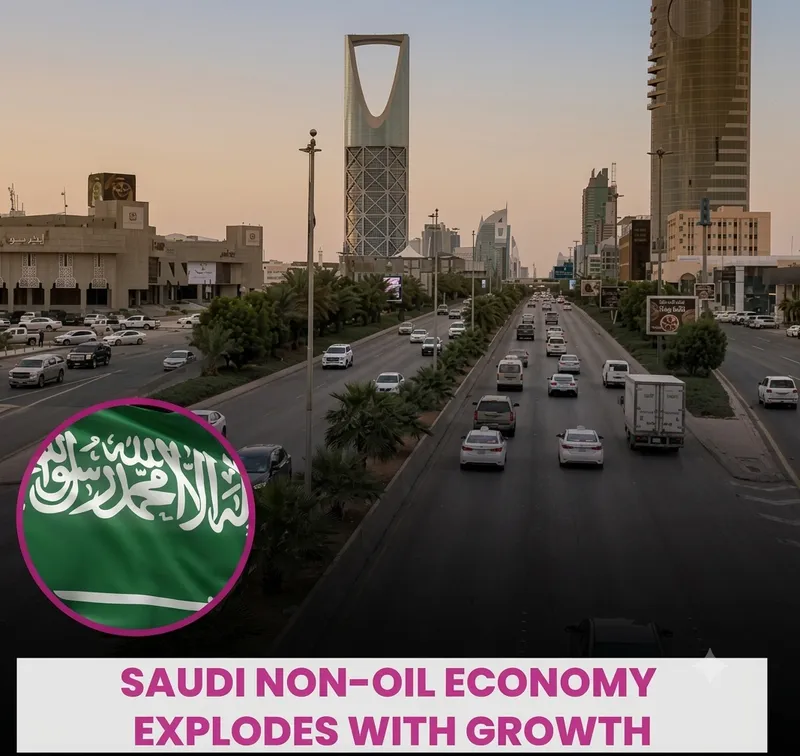
RIYADH (special crosspondent) – Recognising that the global economy will gradually become less dependent on oil, Saudi Arabia has intensified its long-term strategy to reshape its economy and prepare for the post-oil era. At the centre of this transformation is the Public Investment Fund (PIF), which is using today’s oil revenues to build a diversified and sustainable economic foundation for future generations. Just as Gulf nations develop strategic pipelines to bypass Strait of Hormuz to secure energy logistics, the Kingdom is aggressively reallocating capital to secure its long-term national interests.
The Role of the Public Investment Fund
With assets worth approximately $925 billion, the sovereign wealth fund has become the driving force behind investments in tourism, artificial intelligence, advanced technology, sports, defence industries, mining, infrastructure and futuristic urban developments. The objective is not only to expand the Kingdom’s economy but also to position Saudi Arabia as a leading global economic power beyond oil. This shift echoes broader regional efforts to foster regional stability, much like the diplomatic engagements seen when Ishaq Dar and Abbas Araghchi reaffirm commitment to regional stability.
Vision 2030 and National Development
The strategy forms a key pillar of Crown Prince Mohammed bin Salman’s Vision 2030, an ambitious national programme launched to diversify government revenues and reduce reliance on hydrocarbons. Under the initiative, Saudi Arabia is investing heavily in flagship projects such as NEOM, the Red Sea Project, Qiddiya, Diriyah, global sporting events, AI innovation hubs and other large-scale international investments. Saudi policymakers believe that while oil has fuelled the country’s prosperity for decades, the current generation has a responsibility to convert that wealth into sustainable assets capable of generating long-term economic growth. As a result, oil revenues are increasingly being channelled into hospitality, entertainment, tourism, technology, smart cities, renewable industries and innovation-driven sectors.
Maintaining Economic Momentum
Although lower global oil prices have placed pressure on public finances and prompted adjustments to the pace of some mega projects, Saudi authorities insist that Vision 2030 remains firmly on track. Officials say investment priorities are being refined to ensure projects remain financially sustainable while continuing to support the Kingdom’s long-term development goals. Economic analysts believe that if Saudi Arabia successfully implements its current strategy, the Kingdom could emerge over the next decade not only as one of the world’s leading energy producers but also as a global hub for tourism, artificial intelligence, technology, investment and advanced industries, significantly reducing its dependence on oil revenues.