Iran Rejects US Diplomatic Proposals Over Unreasonable Demands and Constraints
 By abdullah
Published: 28 Jul 2026
3 min read
By abdullah
Published: 28 Jul 2026
3 min read
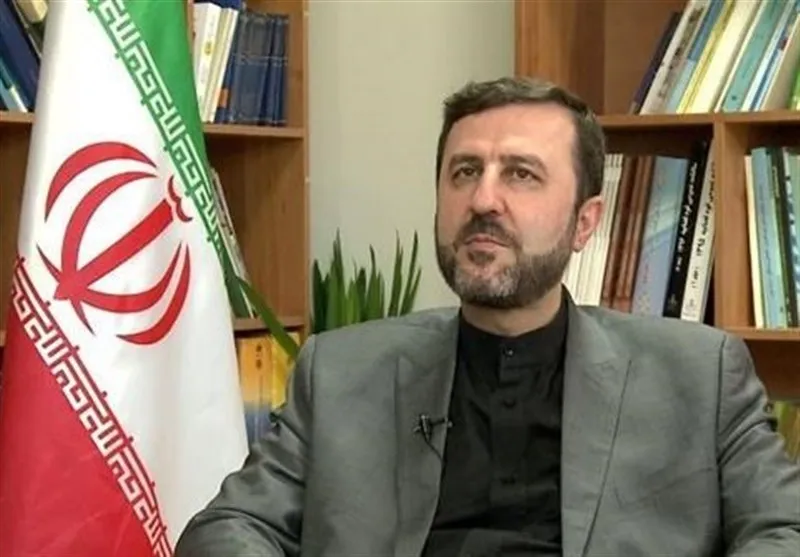
TEHRAN (special crosspondent) – Iran’s Deputy Foreign Minister for Legal and International Affairs, Kazem Gharibabadi, has officially rejected a series of diplomatic proposals conveyed by the United States through mediators, citing the presence of “unreasonable demands” that infringe upon the country’s national interests and fundamental principles. The rejection marks a significant hardening of Tehran’s stance during ongoing indirect communication efforts.
Speaking to domestic media outlets, Kazem Gharibabadi stated that the American plan contained specific conditions that the Iranian delegation deemed entirely unacceptable. He emphasized that the Islamic Republic remains steadfast in its refusal to consent to any agreement structured around coercion, threats, or unilateral mandates, arguing that such methodologies are fundamentally incompatible with achieving a sustainable diplomatic resolution. Much like the complexities observed in Netanyahu Rejects US Pressure for Military Withdrawal from Regional Conflict, Tehran maintains that its diplomatic posture is driven by the preservation of sovereignty.
The Stance on Diplomatic Negotiations
Kazem Gharibabadi asserted that Iran is not actively pursuing the prolongation of current indirect negotiations, nor is it fixated on their continuation. He framed this position as a reflection of Tehran’s confidence in its current foreign policy approach, which prioritizes national dignity over the desire for an immediate, albeit flawed, resolution. He noted that mediators have been clearly informed that Iran’s principled positions remain immovable, regardless of external pressure.
The deputy foreign minister reiterated that any proposal undermining Iran’s legitimate rights, national security, or strategic interests would face immediate rejection. While Tehran signals that it has no intention of abandoning diplomacy, Kazem Gharibabadi underscored that future progress is strictly contingent upon a framework grounded in equality and adherence to international law. This insistence on reciprocity mirrors the broader regional diplomatic challenges, similar to instances where nations seek to balance security, as discussed in the context of Syria Seeks Security Deal With Israel While Maintaining Golan Claim.
Analytical Perspectives on Regional Sovereignty
Political analysts observing the discourse suggest that this latest development underscores Tehran’s determination to resist any diplomatic framework that mandates unilateral constraints on its nuclear programme or its regional interests. The long-term viability of these indirect discussions remains in doubt, with experts noting that the prospects for an agreement depend on whether both parties can reconcile their opposing viewpoints into a balanced, realistic, and mutually respectful proposal. Similar to the strategic complexities seen in Pakistan Strongly Condemns Recent Drone Attacks Against Saudi Arabia, the regional landscape requires nuanced diplomacy to avoid further escalation.