Right To Play Annual Report Highlights Role of Play-Based Learning in Pakistan’s Education Reforms and Social Development
 By abdullah
Published: 20 Nov 2026
4 min read
*Right To Play Annual Report Highlights Role of Play-Based Learning in Pakistan’s Education Reforms and Social Development*
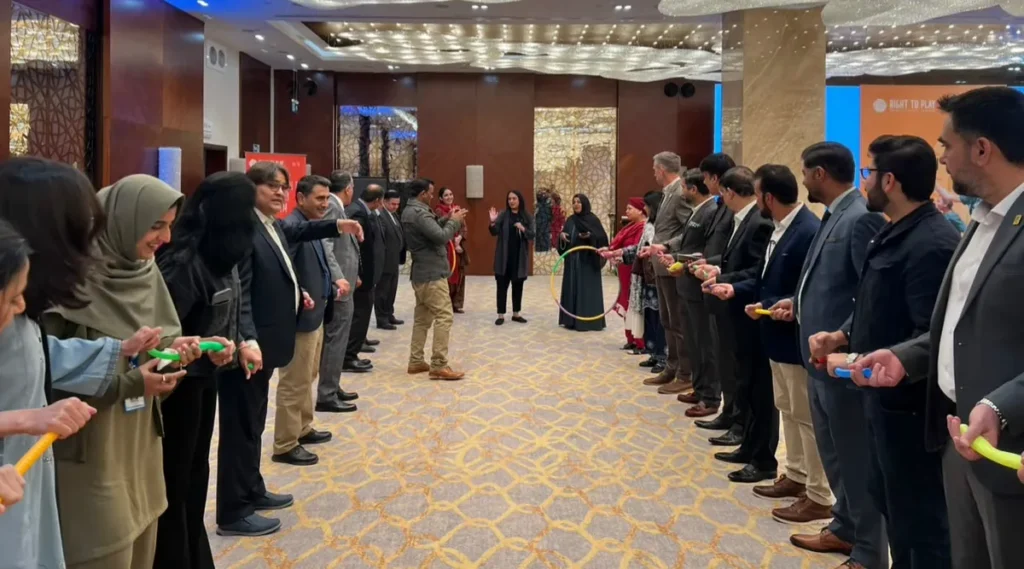
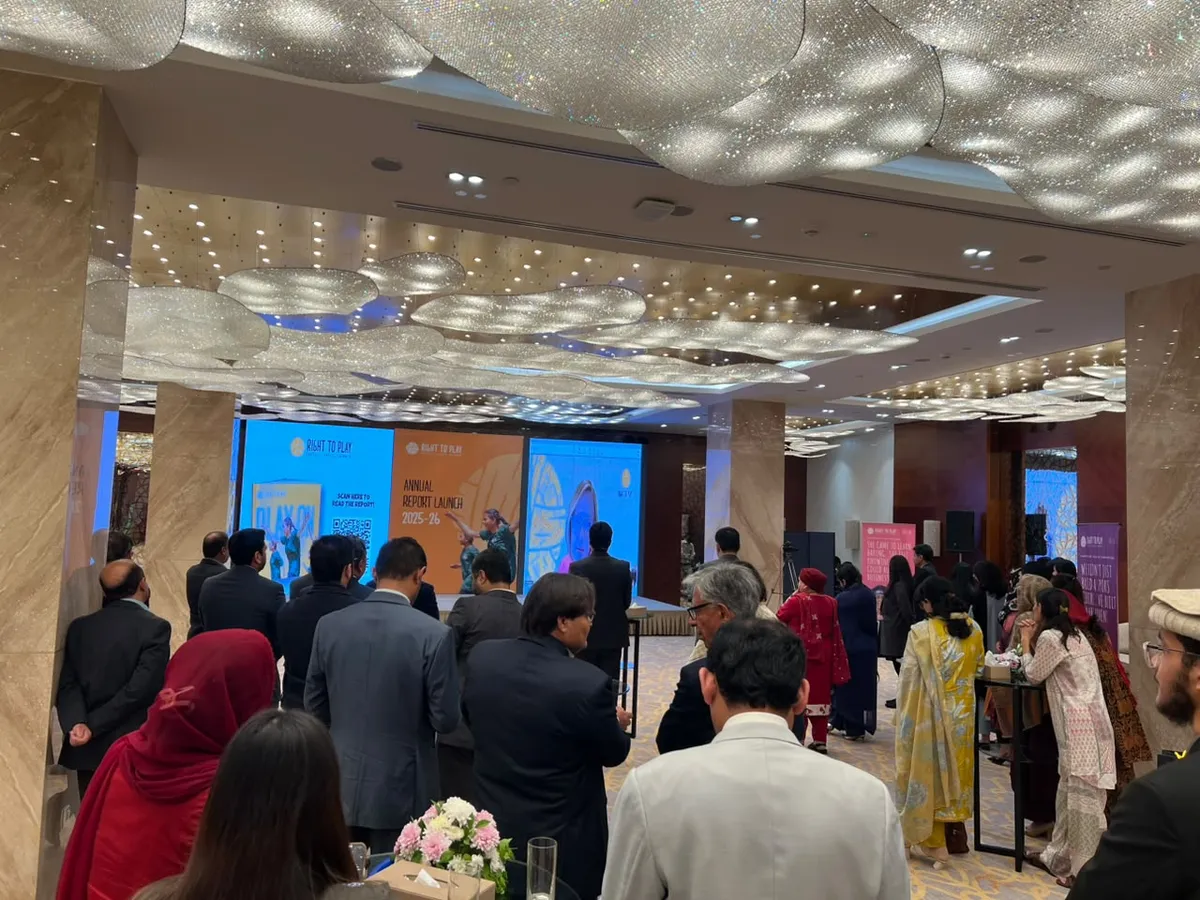
ISLAMABAD, Nov 19 (3D Media): Right To Play Pakistan has launched its annual report, highlighting the role of structured play-based learning in strengthening the country’s education system, child protection mechanisms and economic opportunities for young women.
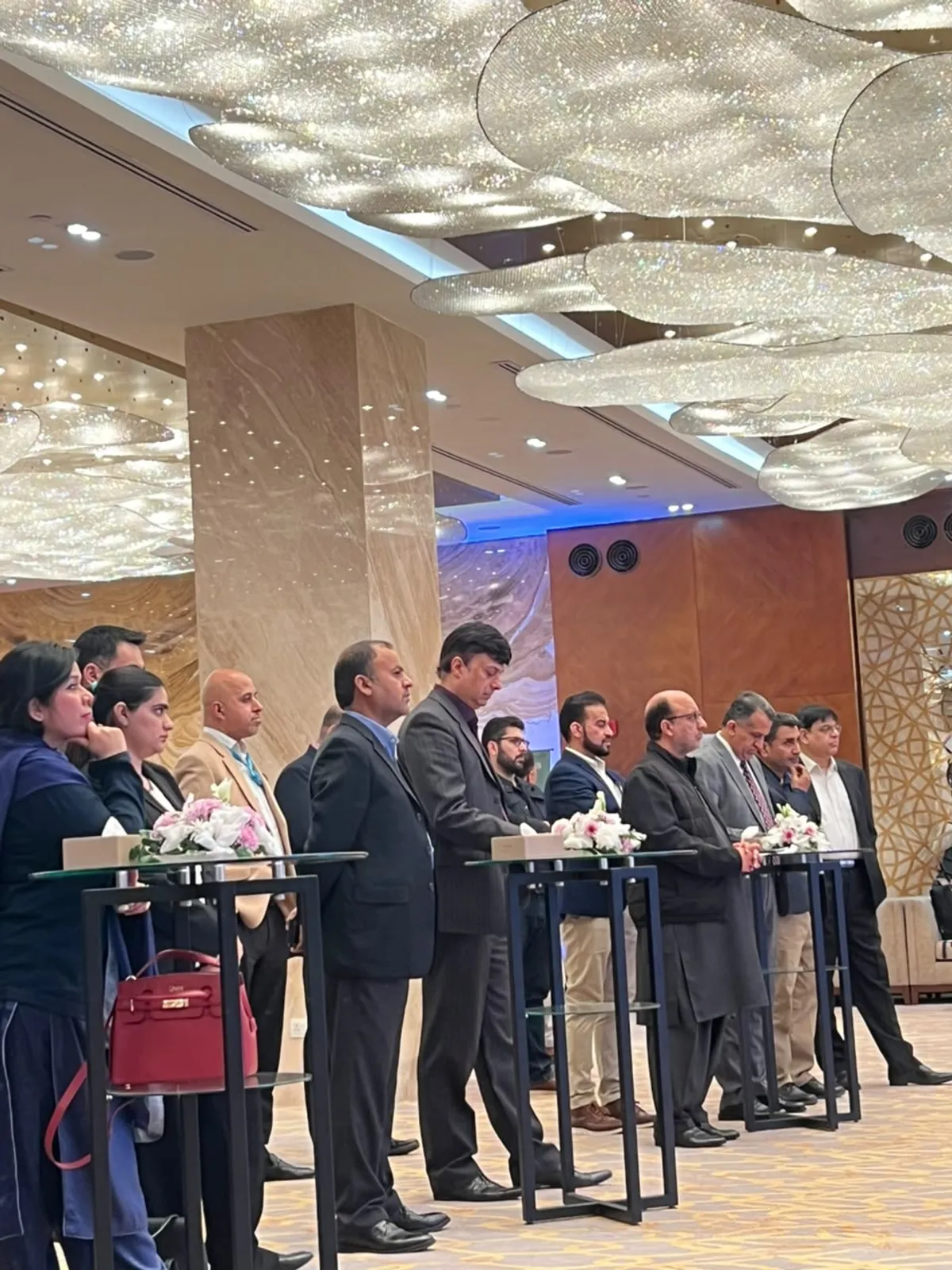
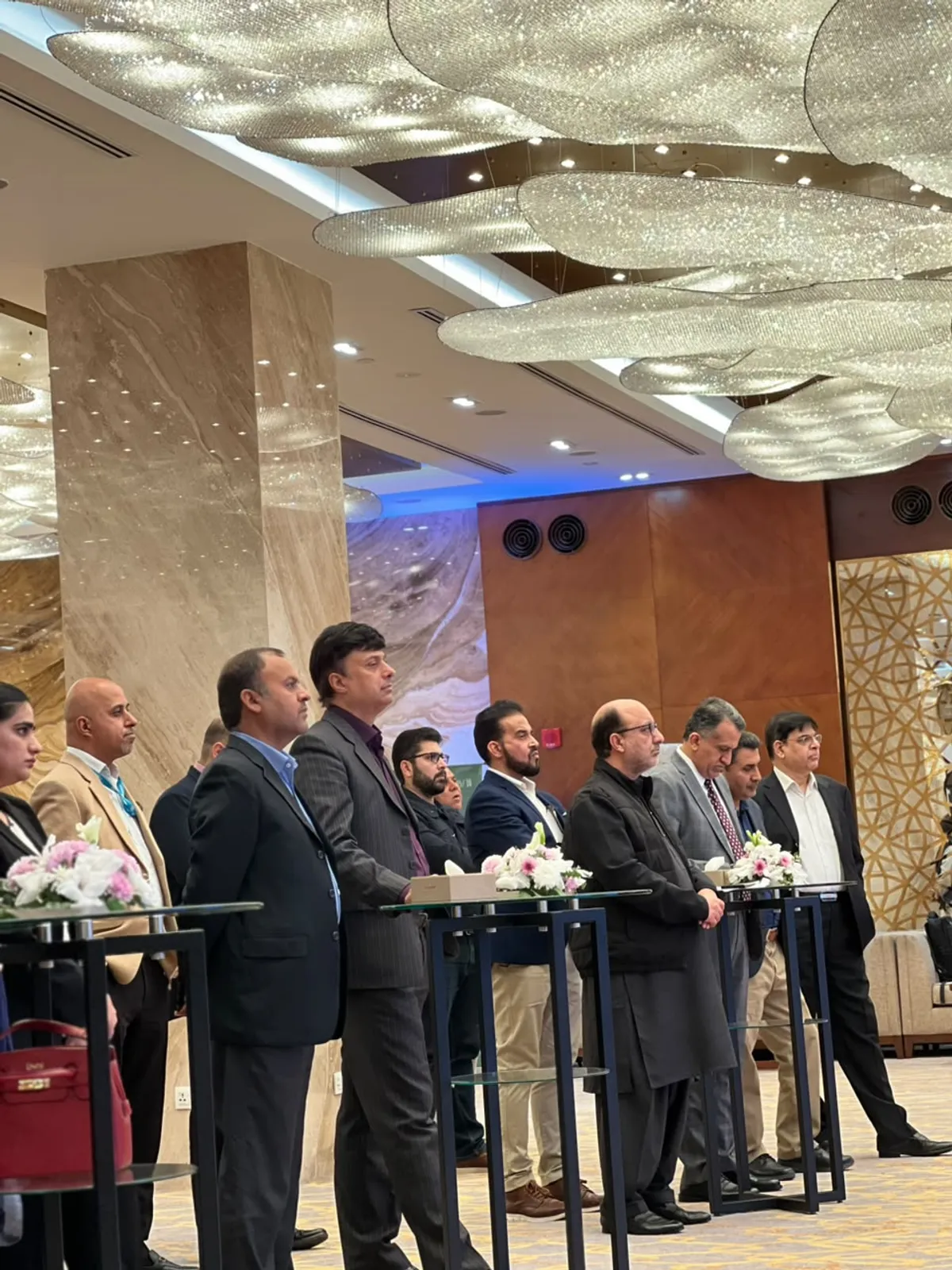
The report was unveiled at a high-level stakeholder gathering in Islamabad attended by Jessie Thomson, Global President and CEO of Right To Play International, Ali Khayam, Country Director of Right To Play Pakistan, senior government officials, representatives of diplomatic missions, civil society leaders and private-sector partners.
According to the report, Right To Play Pakistan’s direct and partner-led interventions reached more than 150,000 children during the past year through over 500 government partner schools and 130 non-formal education centres. More than 1,800 trained educators and youth coaches conducted over 10,000 play-based learning sessions.
The report noted that Pakistan faces a significant education challenge, with approximately 26 million children out of school and 77 per cent experiencing learning poverty. It emphasized that play-based learning is an essential component of quality education, helping children develop confidence, resilience, social skills and the ability to participate actively in the learning process.
Addressing the gathering, Jessie Thomson said that providing children with safe spaces to play, learn and lead could bring transformative changes to entire communities. She highlighted Pakistan’s growing contribution to the organization’s global mission across 47 countries, particularly through the integration of play-based teaching into public education systems.
She said such approaches not only helped children remain in classrooms but also strengthened resilience, reduced violence and empowered young people, particularly girls, to shape their own futures.
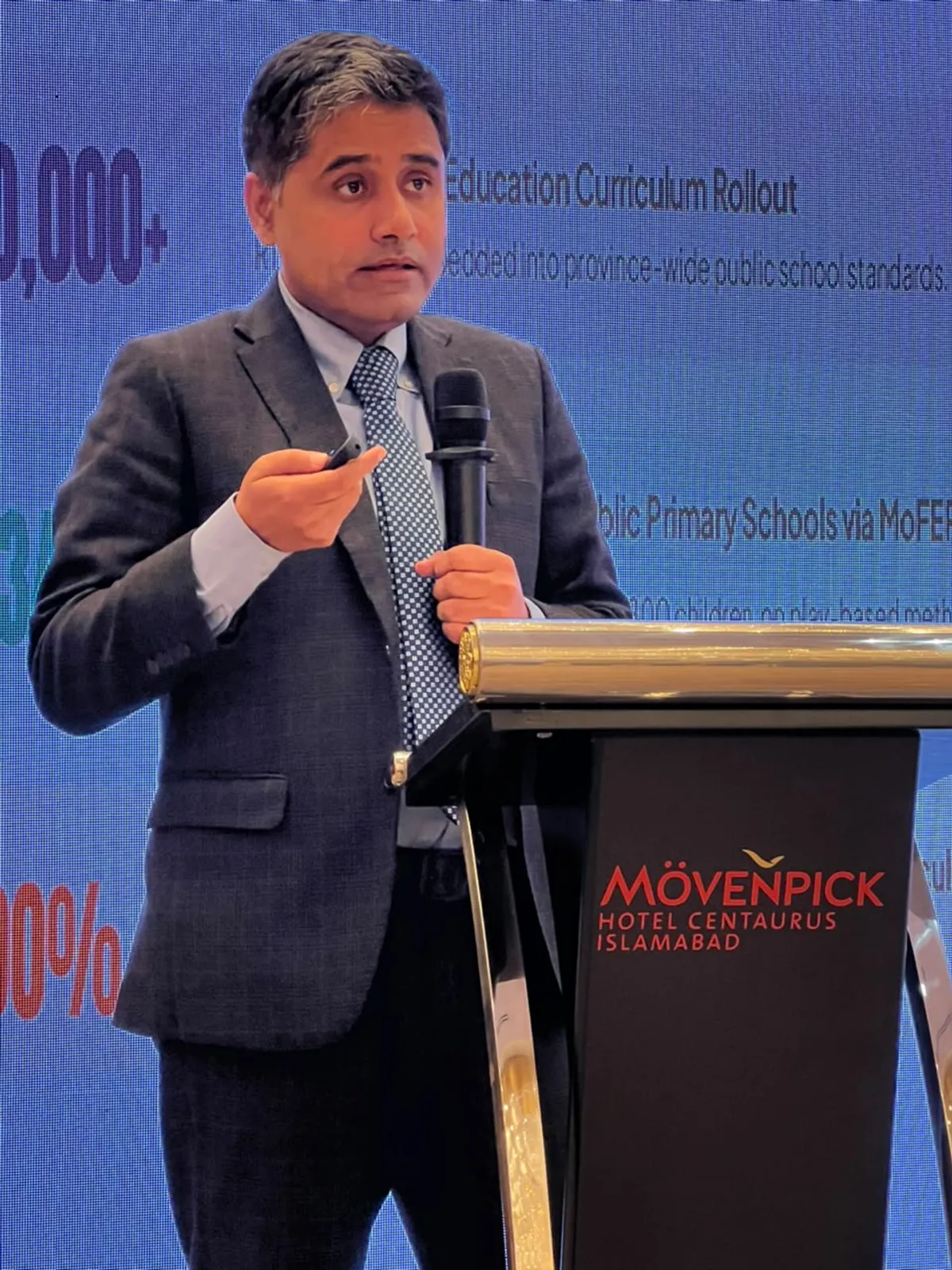
Presenting the report’s strategic achievements, Ali Khayam said Right To Play Pakistan had moved beyond individual classroom interventions towards scalable, government-led institutional reforms. He highlighted partnerships with federal and provincial governments, donors and local civil society organizations to integrate play-based learning into public schools and ensure inclusive educational opportunities for children.
The report highlighted that, in partnership with the Ministry of Federal Education and Professional Training and the Federal Directorate of Education, play-based learning was being integrated into all 347 government primary schools in Islamabad, benefiting 103,800 students, while more than 700 teachers had received training.
In Sindh, evidence generated through Right To Play’s interventions directly contributed to the provincial Physical Education curriculum, which is now being rolled out across more than 60,000 public schools.
Regarding child protection, the report stated that under the What Works to Prevent Violence – Phase II initiative, implemented in partnership with Aahung and supported by UK International Development, 90 per cent of intervention schools took practical measures to strengthen child protection, while 88 per cent of learners demonstrated improved awareness of violence recognition.
The report also highlighted progress in women’s economic empowerment through the GOAL Accelerator programme, supported by Women Win and Standard Chartered Bank. A total of 255 young women from Sindh, Punjab and Islamabad participated in the programme, achieving a 100 per cent retention rate. Of these, 195 young women are now earning sustainable incomes through formal employment and youth-led startups.
At the community level, Right To Play, in collaboration with local partners including the Indus Resource Centre, inaugurated the Parveen Elahi Girls Sports Centre in Sialkot, with more than 500 community members attending the event.
The organization also formalized a Psychosocial Support framework for Education in Emergencies, endorsed by the Sindh Education and Literacy Department and UNICEF, to strengthen support for children and communities during crises.
On financial management, the report revealed that 93.7 per cent of Right To Play Pakistan’s total expenditure, amounting to Rs397.9 million, was directly allocated to field programmes and high-impact activities.
Looking ahead to 2026 and beyond, Right To Play Pakistan reaffirmed its commitment to expanding play-based and social-emotional learning across public school networks while strengthening protection mechanisms and economic opportunities for adolescent girls.
Founded in 2000, Right To Play is a global organization dedicated to protecting, educating and empowering children through the power of play. Operating in Pakistan since 2006, it works across Sindh, Punjab, Khyber Pakhtunkhwa, Gilgit-Baltistan, Balochistan and the Federal Capital Territory in collaboration with children, teachers, parents, communities and government institutions.