US and Israel Prepare for Possible New Strikes on Iran as Regional Tensions Escalate
 By hanif sabir
Published: 18 May 2026
Updated: 29 Jun 2026
5 min read
By hanif sabir
Published: 18 May 2026
Updated: 29 Jun 2026
5 min read
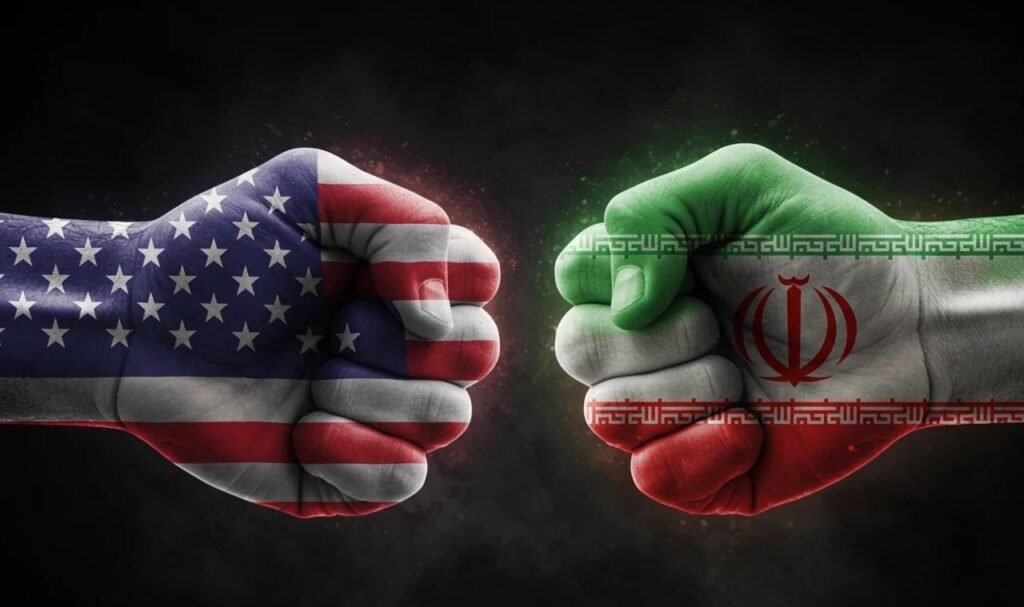
Military buildup intensifies after stalled negotiations, fears of wider Middle East conflict grow
President Donald Trump reportedly reviewing multiple military options; Iran warns of “decisive response”
WASHINGTON / TEHRAN / TEL AVIV — The United States and Israel are reportedly preparing for a new phase of possible military action against Iran following the collapse of recent diplomatic efforts, according to reports published by The New York Times and several international media outlets. The developments have significantly increased tensions across the Middle East and raised concerns about the possibility of a broader regional conflict.
According to the reports, senior American and Israeli officials have accelerated joint military planning after negotiations with Tehran failed to produce meaningful progress on Iran’s nuclear program and regional security issues. Sources familiar with the discussions say the situation is being viewed in Washington and Tel Aviv as one of the most serious security crises since the recent ceasefire in the region.
US President Donald Trump has reportedly been presented with a range of military options by the Pentagon and national security advisers. These include targeted airstrikes on Iranian nuclear facilities, attacks on ballistic missile installations, cyber operations against Iranian military infrastructure, and limited special operations missions targeting strategic assets.
Some reports have also suggested that American officials discussed the possibility of securing or destroying Iran’s enriched uranium stockpiles through limited ground operations. However, military analysts and defense officials reportedly warned that such a move would involve major operational risks and could trigger a prolonged conflict.
Joint US-Israeli Military Preparations
International media reports indicate that the United States and Israel are now engaged in what officials describe as one of their largest coordinated military preparations since the recent pause in hostilities. Israeli officials continue to argue that Iran’s nuclear and missile capabilities represent a direct threat to Israel’s national security, while Washington maintains that Tehran must agree to stricter conditions regarding its nuclear activities.
Reports claim that the US military is considering reactivating “Operation Epic Fury,” a military campaign that was previously paused following diplomatic efforts. Other media outlets have reported that a new operational framework, possibly named “Operation Sledgehammer,” is under discussion, signaling the possibility of a more aggressive strategy if diplomacy continues to fail.
Meanwhile, the United States has significantly increased its military presence across the Middle East. According to defense reports, two aircraft carrier strike groups, additional fighter aircraft, aerial refueling planes, missile defense systems, and nearly 50,000 American troops have been positioned across strategic locations in the region.
US Central Command officials reportedly say the deployments are intended to protect American interests and regional allies. However, regional observers believe the military buildup also serves as preparation for potential offensive operations if tensions continue escalating.
Trump Issues Tough Warnings
President Donald Trump has adopted increasingly tough rhetoric toward Iran in recent days. During recent remarks, Trump warned that Tehran was “running out of time” and suggested that failure to cooperate diplomatically could result in severe consequences.
American media outlets have also reported that multiple high-level national security meetings have taken place at the White House in recent days to review military contingency plans related to Iran. While no final decision on military action has been publicly announced, officials close to the administration reportedly say preparations are moving forward rapidly.
The White House has not officially confirmed details of any upcoming military campaign, but senior officials have emphasized that “all options remain on the table” if Iran refuses to comply with American and allied demands.
Iran Warns of Retaliation
Iran, meanwhile, has responded with strong warnings of its own. Iranian officials stated that any new military action by the United States or Israel would receive a “decisive and powerful response.”
Iranian military leaders claim that the country’s missile and drone capabilities remain fully operational despite previous strikes and sanctions. Senior commanders in Iran’s Revolutionary Guard reportedly warned that American bases and allied assets across the Middle East could become targets if a new conflict begins.
Western intelligence assessments cited in recent reports also suggest that Iran has managed to preserve a significant portion of its missile launch systems and strategic infrastructure. Analysts believe Tehran has relocated some critical military assets to secure underground or undisclosed facilities, complicating any future military operation against the country.
Concerns Over Hormuz and Global Economy
One of the major concerns surrounding the escalating crisis is the Strait of Hormuz, a strategically vital waterway through which a large percentage of the world’s oil supply passes. American officials reportedly fear that Iran could attempt to disrupt shipping routes in the Gulf if military confrontation intensifies.
Energy analysts warn that any disruption in the Strait of Hormuz could send global oil prices sharply higher and trigger economic instability in international markets. Several countries in Europe and Asia are already closely monitoring developments due to concerns over energy security and supply chains.
Israeli Prime Minister Benjamin Netanyahu has also reiterated that lasting regional stability cannot be achieved unless Iran’s enriched uranium stockpiles are either eliminated or placed under strict international supervision. Israel continues to insist that preventing Iran from acquiring nuclear weapons remains its top national security priority.
The United Nations and several European governments have urged all sides to exercise restraint and avoid steps that could lead to full-scale war. Diplomatic observers warn that continued escalation between the United States, Israel, and Iran could push the Middle East into another prolonged conflict with serious consequences for global security, energy markets, and international diplomacy.