Finance Minister Discusses Economic Reforms With British High Commissioner Jane Marriott
 By abdullah
Published: 15 Jul 2026
3 min read
By abdullah
Published: 15 Jul 2026
3 min read
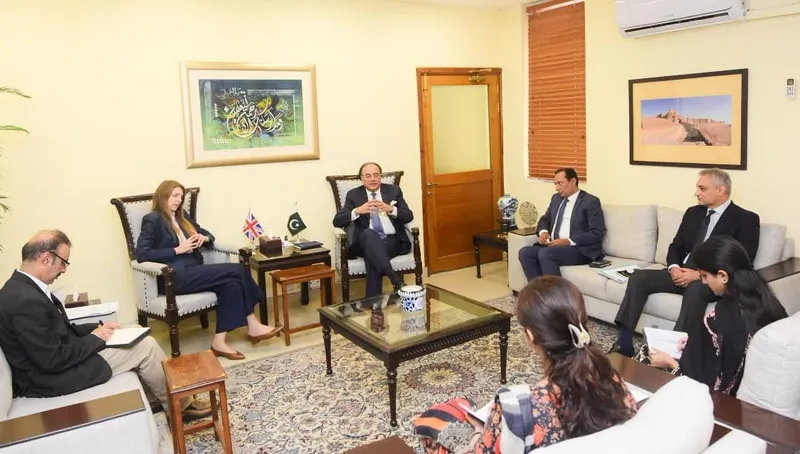
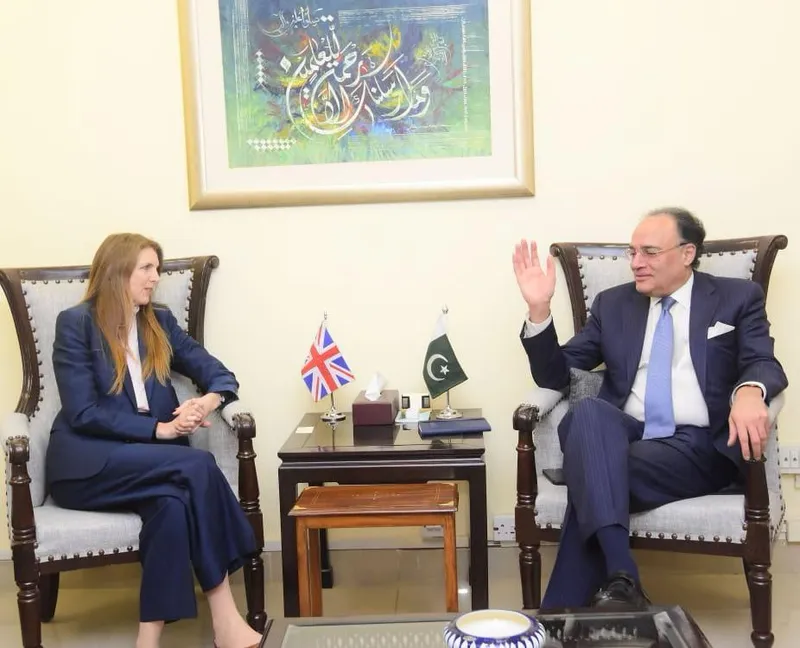
ISLAMABAD (special crosspondent) – Federal Minister for Finance and Revenue, Senator Muhammad Aurangzeb, held a meeting with the British High Commissioner to Pakistan, Ms. Jane Marriott CMG OBE, at the Finance Division today. The session focused on the nation’s macroeconomic outlook, the government’s ongoing reform agenda, and critical avenues for strengthening Pakistan-United Kingdom economic and development cooperation.
Bilateral Partnership and Economic Governance
During the meeting, the Finance Minister expressed appreciation for the United Kingdom’s steadfast support for Pakistan’s economic reforms. He acknowledged the enduring partnership between the two nations across multiple sectors, including fiscal governance, climate resilience, public finance, health, and social development. As noted in other high-level economic policy discussions, maintaining a stable fiscal trajectory remains a core priority for the current administration.
Fiscal Consolidation and Structural Reforms
The dialogue covered Pakistan’s recent macroeconomic progress, notably the successful passage of the Federal Budget 2026-27 and ongoing efforts toward fiscal consolidation. Senator Muhammad Aurangzeb emphasized the government’s commitment to structural reforms, such as broadening the tax base and enhancing investor confidence. The discussion also touched upon modernization efforts within the Federal Board of Revenue, with the Minister detailing the transition toward technology-driven, AI-enabled, and faceless tax administration systems designed to improve transparency and revenue mobilization.
Human Development and Population Management
A significant portion of the meeting was dedicated to population management and public health initiatives. Senator Aurangzeb underscored the importance of institutionalizing population planning through a coordinated national framework. Drawing on international best practices, the Minister highlighted strategies to promote women’s education and workforce participation, reflecting the government’s broader commitment to inclusive social policies. The United Kingdom’s technical support in these areas was noted as being critical for long-term human development outcomes.
Sovereign Financing and Global Markets
Addressing Pakistan’s external financing strategy, the Finance Minister outlined plans to deepen access to international capital markets. He discussed the implementation of the Medium-Term Debt Management Strategy, which includes initiatives such as sovereign bond issuances, Sukuk, Panda Bonds, and the innovative tokenization of sovereign debt. Such engagement remains central to strengthening the country’s external profile.
Energy and Institutional Governance
The two sides reviewed the broader structural reform agenda, including essential energy sector reforms and the privatization of state-owned enterprises. Senator Muhammad Aurangzeb reiterated that these measures are vital for improving the ease of doing business and enhancing the efficiency of public institutions. The British High Commissioner welcomed the progress made in restoring macroeconomic stability and reaffirmed the United Kingdom’s commitment to supporting Pakistan’s reform path, ensuring continued cooperation between the public and private sectors to foster sustainable economic growth.