Pakistan and Qatar Explore New Avenues for Trade and Investment
 By abdullah
Published: 25 Oct 2026
3 min read
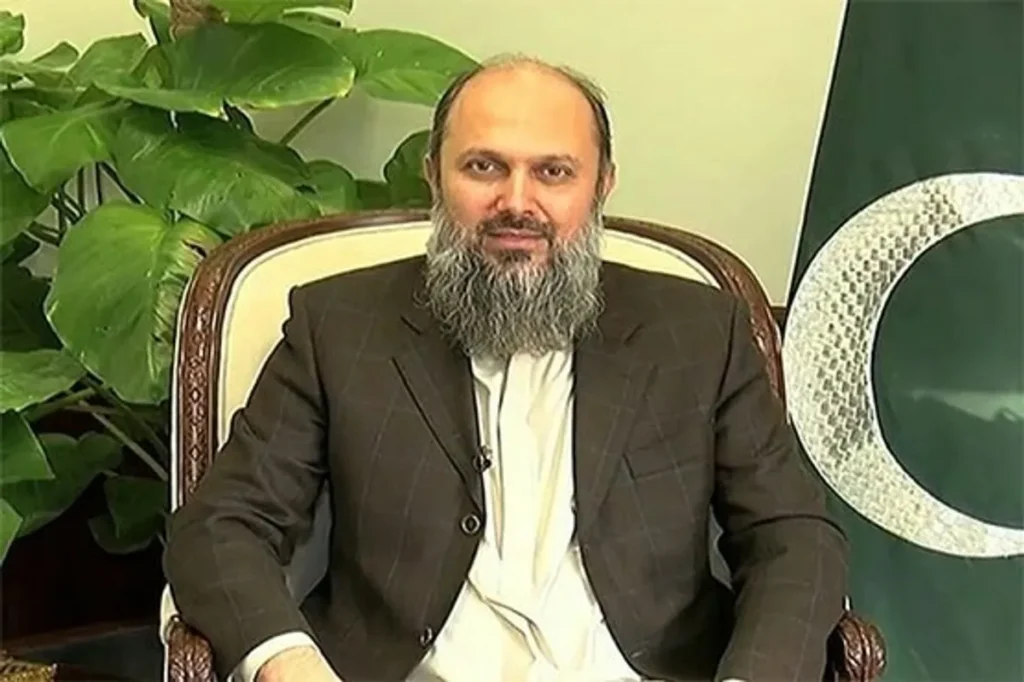
ISLAMABAD (Special Correspondent) – Federal Minister for Commerce Jam Kamal Khan and Qatar’s Minister of State for Foreign Trade Affairs Dr. Ahmad bin Mohammed Al-Sayed co-chaired the second meeting of the Pakistan–Qatar Joint Task Force (JTF) on Trade and Investment in Doha, seeking to bolster bilateral economic cooperation through new industrial partnerships. The Special Investment Facilitation Council (SIFC), serving as the secretariat, coordinated the session which focused on advancing trade and investment.
Key Points
- Pakistan and Qatar reviewed progress since their April 2026 inaugural meeting to strengthen economic ties.
- Pakistan urged the swift signing of the Pakistan–Gulf Cooperation Council (GCC) Free Trade Agreement.
- The meeting explored Qatari investment in agriculture, IT, electric vehicles, and maritime transport infrastructure.
- Both nations are working toward operationalizing eleven Technical Working Groups to identify specific sector opportunities.
Strategic Economic Alignment
The delegations reviewed ongoing initiatives aimed at enhancing bilateral trade. Pakistan reiterated its commitment to the Pakistan–GCC Free Trade Agreement, noting that domestic approvals were finalized on 31 December 2025. The Pakistani side also requested the removal of export restrictions on bone-in meat, citing that technical food safety documentation has been provided to Qatari authorities. Opportunities in food security were discussed, including a proposed Memorandum of Understanding between the Trading Corporation of Pakistan (TCP) and Qatar’s Hassad Food for government-to-government rice supplies. Pakistan showcased its potential in the automobile sector, specifically inviting investment in New Energy Vehicles (NEVs) and electric vehicles.
Infrastructure and Technology Cooperation
Beyond traditional trade, the discussions identified significant potential for investment in Pakistan’s digital economy and infrastructure. Pakistan invited Qatari participation in information technology and digital services to leverage rising export trends. In the infrastructure sector, the proposed Karachi–Hyderabad Motorway was presented as a high-value opportunity to enhance connectivity for regional transit trade. The maritime sector was also highlighted, with a focus on strengthening energy security through collaboration on LNG carriers and container vessels. Qatar expressed interest in civil aviation expansion, which will be addressed through the Technical Working Group on Logistics and Communications. The meeting concluded with the signing of the minutes of the first JTF session, signaling a formal commitment to sustained, results-oriented engagement between the two nations.
Frequently Asked Questions
What are the primary sectors identified for Qatar-Pakistan cooperation?
The identified sectors include logistics, aviation, advanced manufacturing, mining, agriculture, tourism, financial technology, healthcare, education, industrial development, and information technology.
How will the Joint Task Force advance trade relations?
The task force plans to operationalize eleven Technical Working Groups tasked with identifying concrete investment opportunities and resolving outstanding trade issues prior to the next meeting.