Ambassador Moin ul Haque Appointed New Director General of ISSI
 By abdullah
Published: 17 Jul 2026
2 min read
By abdullah
Published: 17 Jul 2026
2 min read
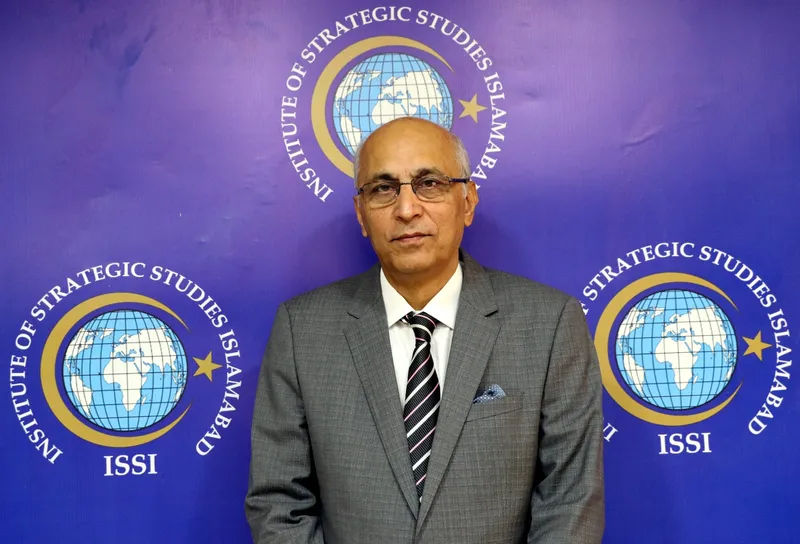
ISLAMABAD (special crosspondent) – Veteran diplomat Ambassador Moin ul Haque has officially assumed the role of Director-General at the Institute of Strategic Studies Islamabad (ISSI), succeeding Ambassador Sohail Mahmood, who has concluded his tenure. As the nation pivots toward robust economic diplomacy, the leadership transition at this premier foreign policy think tank marks a significant shift in strategic oversight.
Extensive Diplomatic Experience
Ambassador Moin ul Haque brings to the institution a career spanning nearly 35 years. His professional trajectory includes high-level decision-making roles within the Ministry of Foreign Affairs and critical postings at various diplomatic missions abroad. His most notable recent tenure was as Pakistan’s Ambassador to China from 2020 to 2023, during which time he oversaw critical advancements in the China-Pakistan Economic Corridor (CPEC) and expanded regional strategic cooperation.
Career Milestones
Prior to his assignment in Beijing, Ambassador Moin ul Haque served as the Ambassador of Pakistan to France between 2016 and 2020. His international experience also includes a term as Consul General in Vancouver, Canada, from 2007 to 2010. Within the Foreign Office in Islamabad, he has held senior administrative and policy-focused positions, including Additional Secretary (Administration), Chief of Protocol, and Director-General (Europe). He has also served in diplomatic capacities in Brussels, Colombo, and Ankara, as well as holding the post of Counsellor at Pakistan’s Permanent Mission to the United Nations in New York.
ISSI’s Role in National Strategy
The appointment comes at a juncture when Pakistan is navigating complex geopolitical challenges. The ISSI, established in 1973, continues to serve as a vital government-supported think tank dedicated to international relations, regional security, arms control, and global governance frameworks. By leveraging his extensive background, Ambassador Moin ul Haque is tasked with strengthening the institute’s research capabilities and fostering informed public discourse on foreign policy. His leadership is expected to bolster the institute’s influence in navigating the evolving security architecture of the region.