Dy PM Ishaq Dar, Saudi Ambassador Discuss Regional Developments and Bilateral Cooperation
 By hanif sabir
Published: 18 May 2026
Updated: 29 Jun 2026
4 min read
By hanif sabir
Published: 18 May 2026
Updated: 29 Jun 2026
4 min read
Pakistan reiterates commitment to stronger ties with Saudi Arabia
Middle East tensions, regional stability and economic cooperation come under discussion
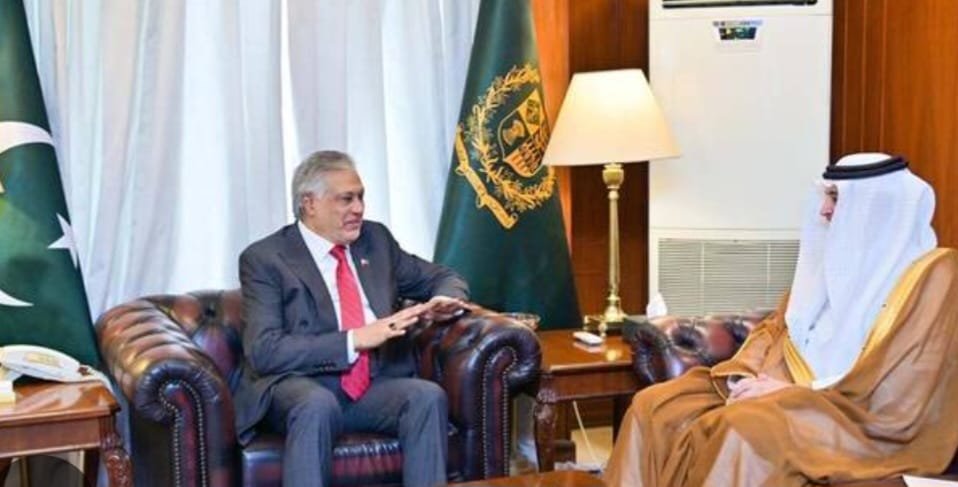
ISLAMABAD — Pakistan’s Deputy Prime Minister and Foreign Minister Muhammad Ishaq Dar held an important meeting with Saudi Arabia’s Ambassador to Pakistan Nawaf bin Saeed Ahmad Al-Malki, during which both sides discussed bilateral relations, evolving regional developments, and issues of mutual interest in detail.
According to a statement issued by Pakistan’s Foreign Office, the meeting focused on the longstanding brotherly ties between Pakistan and Saudi Arabia and ways to further strengthen cooperation across multiple sectors. Deputy Prime Minister Ishaq Dar reaffirmed Pakistan’s strong commitment to deepening political, economic, diplomatic, and strategic relations with the Kingdom.
Saudi Ambassador Nawaf Al-Malki appreciated Pakistan’s role in promoting regional peace and stability, describing Islamabad as a trusted and important partner for Saudi Arabia. The two sides also exchanged views on the latest regional developments, including the situation in the Middle East, the Gaza conflict, rising Iran-Israel tensions, and broader challenges facing the Muslim world.
Growing Importance of Pakistan-Saudi Coordination
Analysts believe the meeting comes at a critical time when the Middle East is witnessing rapidly shifting geopolitical dynamics. The ongoing Gaza crisis, increasing confrontation between Iran and Israel, maritime security concerns in the Red Sea, and emerging global alliances have significantly increased the importance of close coordination between key Muslim countries such as Pakistan and Saudi Arabia.
Pakistan has traditionally remained one of Saudi Arabia’s closest allies. The relationship between the two countries spans decades and includes strong cooperation in defense, diplomacy, religion, and economic affairs. Saudi Arabia has repeatedly provided financial assistance to Pakistan during difficult economic periods and continues to play an important role in supporting Islamabad’s economic stability.
In recent years, economic cooperation has emerged as a major pillar of bilateral relations. Saudi Arabia has announced plans for multi-billion-dollar investments in Pakistan, particularly in mining, energy, oil refining, and infrastructure sectors, giving new momentum to ties between the two countries.
Economic Challenges and Saudi Investment Prospects
Pakistan is currently facing serious economic challenges, including inflation, pressure on foreign exchange reserves, and external debt obligations. In this context, Saudi Arabia is increasingly viewed as a vital economic partner for Islamabad.
Over the past several months, the two countries have exchanged multiple high-level delegations aimed at expanding trade and investment cooperation. Pakistani officials say Saudi Arabia is particularly interested in projects related to Gwadar, Reko Diq, energy development, and oil supply arrangements.
Economic experts believe that if the proposed Saudi investments materialize, they could provide much-needed support to Pakistan’s economy and help attract further foreign investment into the country.
Pakistan’s Balancing Diplomatic Strategy
On the diplomatic front, Pakistan is currently pursuing a cautious and balanced regional policy. Islamabad seeks to maintain close strategic relations with Saudi Arabia and Gulf countries while also preserving constructive ties with neighboring Iran in trade, border security, and regional cooperation.
Analysts say Pakistan is attempting to avoid becoming part of any direct regional confrontation while promoting dialogue, diplomacy, and mediation. This is reflected in Islamabad’s consistent calls for ceasefire efforts in Gaza and peaceful diplomatic solutions to regional disputes.
Saudi Arabia, too, has in recent years adopted a more balanced regional approach. Following the restoration of diplomatic ties between Riyadh and Tehran through Chinese mediation, the Kingdom has shown greater interest in reducing tensions across the region.
Against this backdrop, ongoing diplomatic engagement between Pakistan and Saudi Arabia is being viewed as significant not only for bilateral relations but also for broader regional stability.
Defense and Security Cooperation Remain Key Areas
Defense cooperation remains another important pillar of Pakistan-Saudi relations. Pakistani military expertise and training cooperation have long been associated with Saudi Arabia’s security framework. Counterterrorism collaboration, joint military exercises, and strategic coordination continue to strengthen ties between the two nations.
Experts believe that amid current regional tensions, continued high-level diplomatic consultations between Islamabad and Riyadh indicate that both countries are closely monitoring developments and coordinating efforts to respond effectively to emerging regional challenges.