IMF Tranche Provides Temporary Relief to Pakistan as Economy Moves Toward Stabilization Amid Ongoing Challenges
 By hanif sabir
Published: 18 May 2026
Updated: 29 Jun 2026
4 min read
By hanif sabir
Published: 18 May 2026
Updated: 29 Jun 2026
4 min read
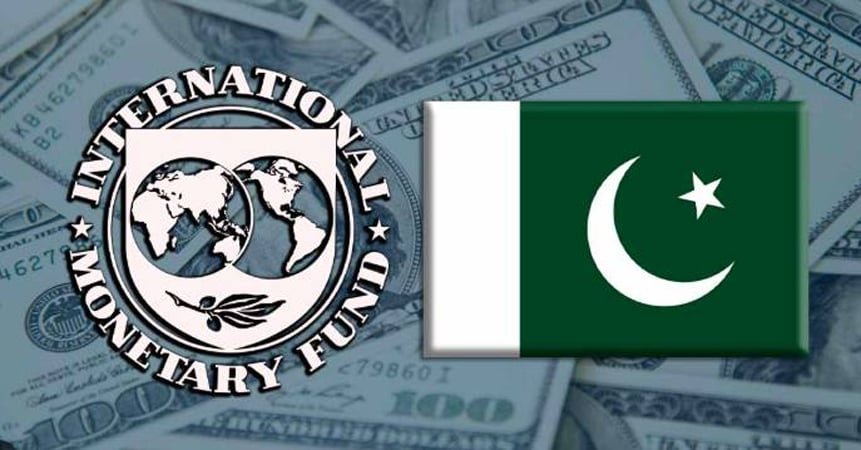
Islamabad: Pakistan’s economy, long under pressure from soaring inflation, a weakening currency, shrinking foreign exchange reserves, and recurring fears of default, has received a crucial short-term boost following the approval and disbursement of a new tranche from the International Monetary Fund. While the government has described the development as a significant step toward macroeconomic stability, economists caution that the relief remains temporary unless deeper structural reforms are implemented.
The government maintains that the IMF program will help restore confidence among international financial institutions, support the Pakistani rupee, increase foreign exchange reserves, and ease pressure on external payments. However, analysts warn that without sustained fiscal discipline and structural adjustments, the gains may be short-lived, with ordinary citizens continuing to face high inflation, expensive utilities, and new taxation pressures.
Over the past two years, Pakistan has navigated one of its most severe economic crises in decades. At one point, foreign exchange reserves had dropped to critically low levels, barely sufficient for a few weeks of imports, triggering widespread speculation about a possible sovereign default. Import restrictions, industrial slowdown, currency depreciation, and record inflation severely strained economic activity and public confidence.
In this environment, the IMF program has acted as a financial lifeline. Economic analysts note that the IMF’s approval is not merely a source of external financing but also a signal of restored confidence from the global financial system. Once the IMF endorses a country’s program, institutions such as the World Bank, the Asian Development Bank, and bilateral partners typically become more willing to extend financial support.
According to government officials, the latest tranche will strengthen the State Bank’s foreign exchange reserves, easing pressure on external debt repayments and import financing. The Ministry of Finance has expressed optimism that currency stability will improve further in the coming months and investor confidence will gradually recover.
Recent economic indicators show some improvement in Pakistan’s macroeconomic position. Inflation has slowed compared to previous peaks, the current account deficit has narrowed, and import compression has helped stabilize external balances. Remittance inflows from overseas Pakistanis have also remained a key pillar supporting the external account.
The Pakistani rupee has shown relative stability after a prolonged period of volatility, during which sharp depreciation had disrupted business planning and public sentiment. Analysts suggest that further improvement in foreign reserves could help maintain currency stability in the short term.
However, economists emphasize that these improvements do not yet represent a full recovery. Structural weaknesses remain deeply embedded in the economy, including a narrow tax base, low export competitiveness, persistent circular debt, and inefficiencies in state-owned enterprises. These issues continue to constrain long-term growth potential.
Under the IMF program, Pakistan is also required to implement strict fiscal reforms. These include adjustments in electricity and gas tariffs, new revenue measures, reduction in public spending, and enforcement of fiscal discipline. While these steps are aimed at stabilizing public finances, they are likely to increase financial pressure on households in the near term.
Despite signs of macroeconomic stabilization, the average citizen continues to struggle with high living costs. Prices of essential food items, fuel, electricity, and gas remain elevated, disproportionately affecting low- and middle-income households. Industrial activity has not fully recovered, and unemployment and business slowdowns remain persistent concerns.
Economic observers note that Pakistan’s economy is currently sustained by three key pillars: the IMF program, remittance inflows from overseas workers, and financial support from friendly countries, particularly China and Gulf states. Without significant growth in exports, domestic production, and investment, reducing reliance on external financing remains a major challenge.
External risks also continue to pose threats to stability. Any escalation in geopolitical tensions in the Middle East or a rise in global oil prices could significantly increase Pakistan’s import bill. Similarly, economic slowdowns in Gulf countries could negatively affect remittance inflows, which are a critical source of foreign exchange.
Experts argue that sustained economic recovery will depend on consistent political stability, expansion of the tax net, export-led growth, and improved industrial productivity. If reform efforts continue steadily, Pakistan may gradually move toward long-term stability. However, any slowdown in implementation could reverse recent gains and push the economy back under pressure.
In conclusion, while the IMF tranche has provided immediate breathing space and reduced short-term risks, Pakistan’s economic future remains dependent on the successful execution of long-term structural reforms. Without these, analysts warn, true and lasting stability will remain elusive.