Kazakhstan’s Pro-Government Adilet Party Secures Landslide Victory in Parliamentary Polls
 By abdullah
Published: 24 Aug 2026
2 min read
By abdullah
Published: 24 Aug 2026
2 min read
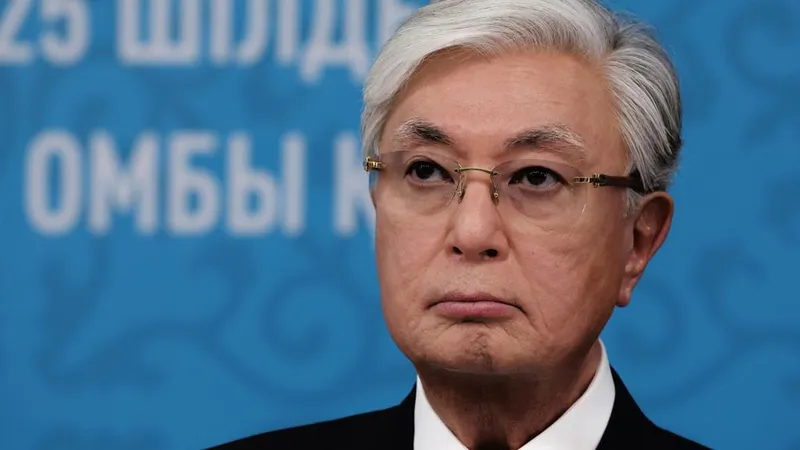
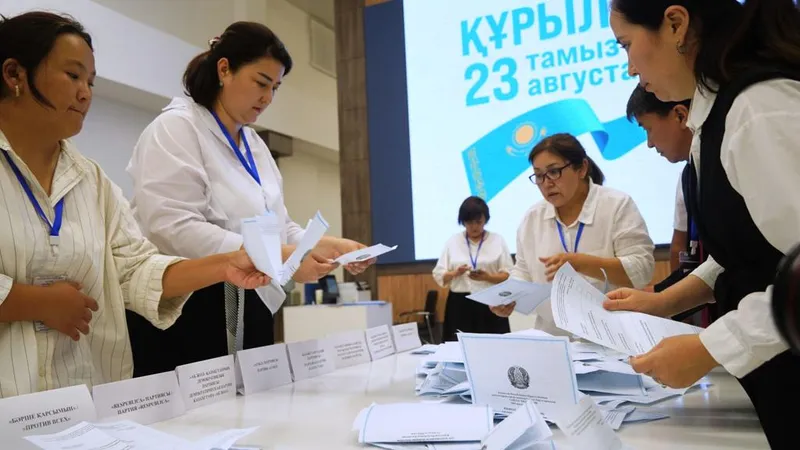
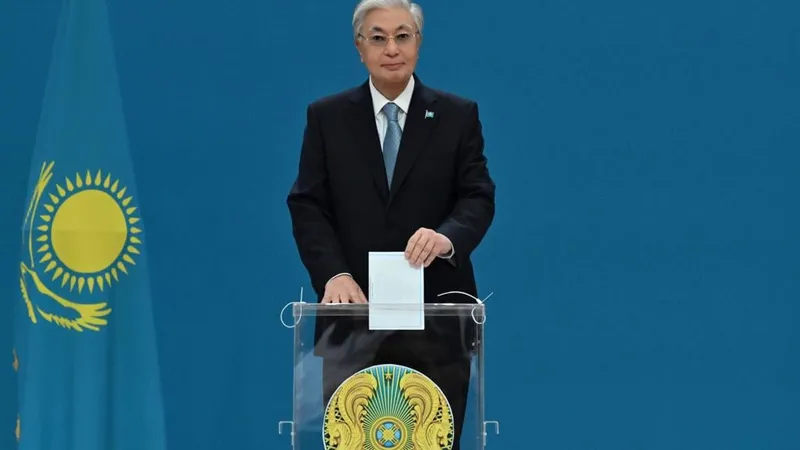
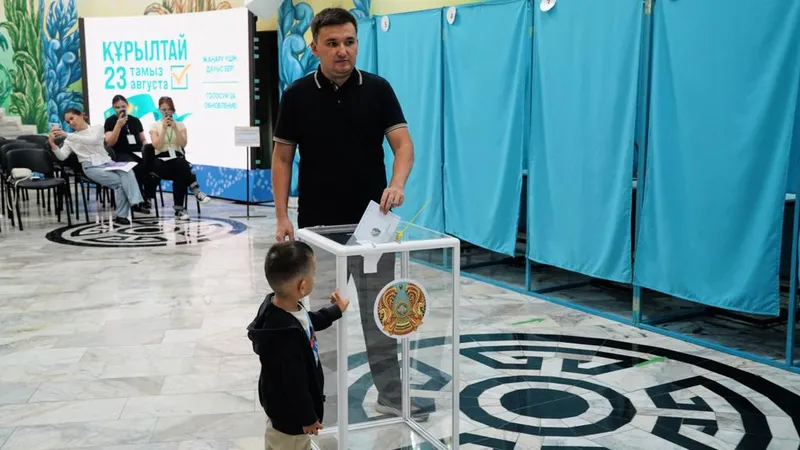
ASTANA (special crosspondent) – Kazakhstan’s newly formed pro-government Adilet party has secured a commanding victory in the nation’s snap parliamentary elections, capturing more than 71 percent of the vote. The result serves to significantly consolidate the political standing of President Kassym-Jomart Tokayev, according to preliminary data released by the Central Election Commission.
Political Consolidation and Structural Reforms

The Adilet party, established earlier this year, enjoys the backing of political figures aligned with President Tokayev. Notably, the party recently absorbed the former ruling entity, Amanat. This electoral outcome follows the August 23 vote, which marked the first parliamentary contest since the implementation of sweeping constitutional reforms in the Central Asian nation. These reforms transitioned the legislature from a bicameral system to a 145-member unicameral body, now officially designated as the Qurultai.
Parliamentary Landscape and Opposition Dynamics
Beyond the success of Adilet, several other parties secured representation within the new parliament, including Respublika, Ak Zhol, the Nationwide Social Democratic Party, and Auyl. Despite the inclusion of these parties, political analysts have expressed concerns that most of these organizations maintain close links with the current government, potentially obstructing the development of a robust and independent political opposition. The situation reflects broader regional shifts, similar to how regional peace efforts often influence political maneuvering in Central and South Asia.
Future Implications for Presidential Tenure
The recent constitutional overhaul has substantially expanded presidential authority within Kazakhstan. President Tokayev, who has held office since 2019, has yet to confirm whether he intends to pursue an additional term. However, the modified constitutional framework provides a legal pathway for him to contest for another seven-year mandate. The official voter turnout was reported at over 74 percent, indicating a high level of public participation.
International and Strategic Significance
As a resource-rich nation in Central Asia, Kazakhstan maintains extensive reserves of oil, gas, uranium, and various essential minerals. Given its strategic location, the country has consistently pursued a policy of balanced diplomacy with major powers such as Russia, China, and Western nations. The stability and political direction of the state remain matters of significant interest for the international community, much like the broader geopolitical negotiations observed in regional diplomacy, such as the recent diplomatic engagements involving regional neighbors.