Pakistan Assumes G-24 Chairmanship Advocating for Inclusive Global Financial Reform
 By abdullah
Published: 01 Nov 2026
3 min read
ISLAMABAD (Special Correspondent) – Pakistan officially assumed the Chairmanship of the Intergovernmental Group of Twenty-Four (G-24) on 1 November 2026, pledging to promote a more inclusive and development-oriented international financial system. This leadership role allows the country to amplify the collective voice of developing economies in the global economic discourse, as stated by the Ministry of Finance.
Key Points
- Pakistan has officially taken over the G-24 Chairmanship to advocate for fairer development financing.
- Finance Minister Senator Muhammad Aurangzeb identified three strategic pillars: development-centric policymaking, inclusive multilateralism, and financial architecture reform.
- The G-24 agenda focuses on addressing climate resilience, sustainable debt solutions, and global economic fragmentation.
- Pakistan will work with partners across Africa, Asia, and Latin America to translate shared priorities into tangible outcomes.
Strategic Priorities for the G-24 Agenda
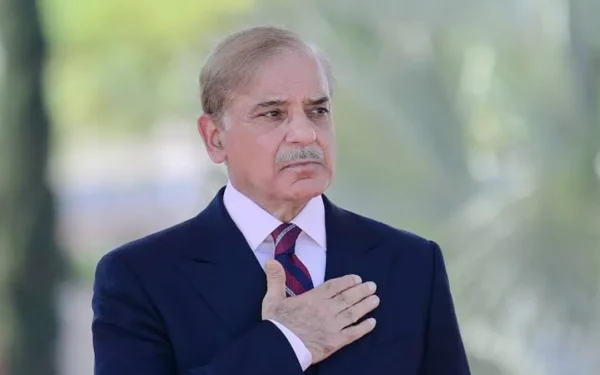
Federal Minister for Finance and Revenue, Senator Muhammad Aurangzeb, emphasized that the G-24 Chairmanship is a profound responsibility. During his address, he noted that the future of emerging markets is central, not peripheral, to global prosperity. He underscored the need for international cooperation to overcome challenges such as climate shocks and persistent development financing gaps.
Senator Aurangzeb highlighted three specific strategic priorities for Pakistan’s tenure. First, the group intends to place development at the heart of global economic policy. This involves using macroeconomic stability as a platform for productivity and long-term investment. Second, Pakistan seeks to strengthen multilateral frameworks, advocating for more representative governance within the Bretton Woods institutions to better reflect the realities of the modern world.
Advancing Global Financial Architecture Reform
The third priority outlined by the Finance Minister involves advancing a development-oriented international financial architecture. This includes ensuring affordable financing, creating robust financial safety nets, and mobilizing both public and private capital. Such reforms are deemed essential to support economies currently constrained by an outdated global system.
Drawing from Pakistan’s own experience with economic stabilization and structural reform, Senator Aurangzeb noted the importance of creating policy space for developing nations. He reaffirmed that the leadership of the G-24 would remain rooted in the principles of consultation and consensus. Pakistan aims to build upon the progress made under Nigeria’s previous leadership, working closely with organizations such as the International Monetary Fund (IMF) and the World Bank to achieve meaningful results.
Frequently Asked Questions
What are the core pillars of Pakistan’s G-24 agenda?
Pakistan’s agenda focuses on placing development at the center of global policymaking, enhancing inclusivity within multilateral institutions, and reforming the international financial architecture for better debt and climate resilience.
Why is Pakistan’s role in the G-24 significant for emerging economies?
Pakistan aims to transition the group from a collective voice into a force for collective influence, ensuring that the economic potential of developing nations is supported by modern financial systems.

Comments (1)