UNDP Warns Pakistan Must Invest in Youth to Drive Growth
 By abdullah
Published: 02 Aug 2026
2 min read
By abdullah
Published: 02 Aug 2026
2 min read
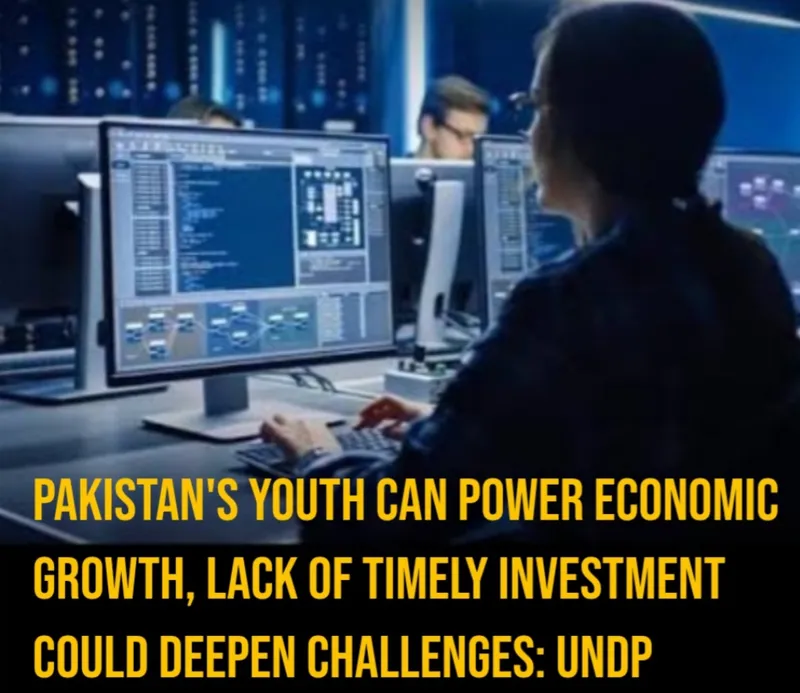
ISLAMABAD (special crosspondent) – The United Nations Development Programme (UNDP) has issued a stark warning that while Pakistan’s extensive youth demographic serves as a primary economic asset, a failure to secure timely investments in education, vocational training, and entrepreneurship could exacerbate existing socio-economic volatility. As the nation navigates a complex economic landscape, similar to global debates on geopolitical stability and economic preparedness, the focus on human capital remains paramount.
The Demographic Dividend Opportunity
According to the latest UNDP findings, Pakistan currently stands as one of the youngest nations globally, with a substantial majority of its population aged under 30. The report emphasizes that if this demographic is provided with high-quality education and modern technical or digital proficiency, they are poised to become the primary architects of long-term productivity and innovation. Such investment is essential, particularly as the international community monitors how nations manage their internal stability and resource allocation during periods of uncertainty.
Strategic Planning and Human Capital
The UNDP highlights that Pakistan possesses a unique window to leverage its demographic dividend. However, this potential is conditional upon robust policymaking and sustained strategic planning. Without immediate, targeted interventions, the country risks squandering the chance to transform its youth into an engine for sustainable economic development. Addressing these challenges is vital for national progress, much like how diplomatic engagement and regional peace initiatives remain critical for broader systemic stability.
Collaborative Efforts for Empowerment
The report calls upon a tripartite partnership between the government, the private sector, and international development agencies to scale up vocational training and financial inclusion initiatives. By fostering entrepreneurship and providing access to digital markets, these stakeholders can empower young people to contribute meaningfully to the national economy. With the correct policy frameworks, Pakistan has the potential to convert its youth population into a formidable economic force, capable of creating jobs and driving inclusive growth for future generations.