Iran’s Economy Shows Resilience Amidst Ongoing US Sanctions and Conflict
 By abdullah
Published: 29 Jul 2026
3 min read
By abdullah
Published: 29 Jul 2026
3 min read
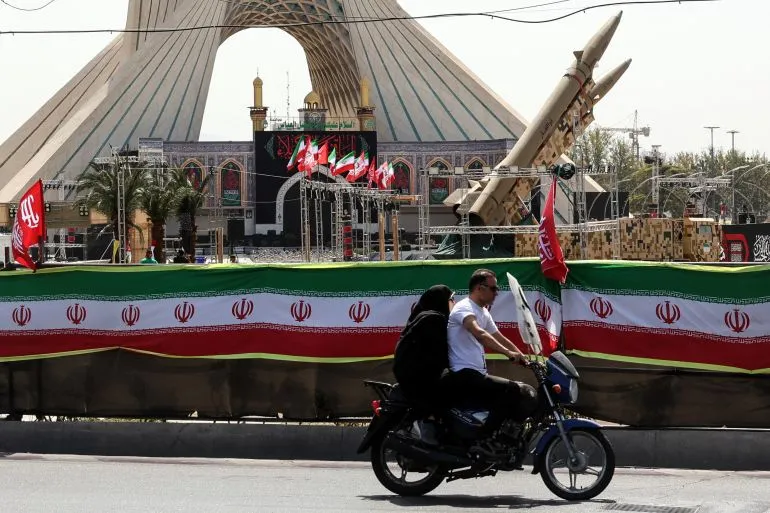
TEHRAN (special crosspondent) – Despite years of sweeping US sanctions, military pressure, and the recent conflict with the United States and Israel, Iran’s economy has avoided a complete collapse, according to a new analysis that attributes the country’s resilience to a combination of economic adaptation, continued oil exports, and alternative trade networks.
Economic Adaptation Under Strain
The report notes that although Iran’s economy remains under severe strain, it has continued to function despite high inflation, a weakening currency, unemployment, and the damage caused by recent military strikes. Analysts believe one of the primary drivers of this stability is that Iran has spent years adapting its economy to life under sanctions, making it inherently more resilient to external shocks. This economic survival is a critical subject in the broader context of regional stability, as seen in discussions regarding Houthi military escalation threatening regional peace.
The Role of Oil and Alternative Trade
According to the analysis, oil exports remain the backbone of Iran’s economy. Despite Western sanctions, Tehran has continued selling crude oil through alternative channels, generating much-needed foreign exchange revenues. Those earnings have enabled the government to finance essential spending and keep key sectors of the economy operating. Furthermore, Iran has expanded trade with neighbouring countries and Asian partners while relying on informal commercial networks and alternative financial mechanisms to mitigate the impact of international restrictions. Such complexities are often scrutinized by international observers, similar to how policymakers analyze the worsening crisis in Palestine.
Infrastructure and Future Outlook
The analysis indicates that while recent conflict caused damage to parts of Iran’s industrial infrastructure and energy sector, adding further pressure to an already fragile economy, economic activity did not come to a standstill. The government continued efforts to maintain essential public services and supplies of basic goods. Experts argue that while Iran faces serious economic challenges, an immediate economic collapse is unlikely. Years of living under sanctions have forced businesses, industries, and consumers to adapt to prolonged financial hardship, allowing the economy to continue functioning despite repeated crises.
Ordinary Iranians continue to bear the burden of soaring prices, declining purchasing power, electricity shortages, and employment challenges. Nevertheless, analysts suggest that additional military pressure or sanctions alone are unlikely to bring about the rapid collapse of the country’s economy. The economic outlook will largely depend on future developments in regional security, the continuation of US sanctions, oil export revenues, regional trade, and the prospects for renewed diplomatic engagement, echoing the sensitivity required in matters such as Trump’s claims regarding Netanyahu seeking to entangle the US in an Iran conflict. Ultimately, the analysis concludes that while Iran’s economy remains under significant pressure, it has developed a level of resilience that has so far prevented a complete breakdown, even amid prolonged sanctions and armed conflict.