FPCCI President Urges Strengthening Economic Cooperation Across ECO Member Nations
 By abdullah
Published: 18 Aug 2026
3 min read
By abdullah
Published: 18 Aug 2026
3 min read
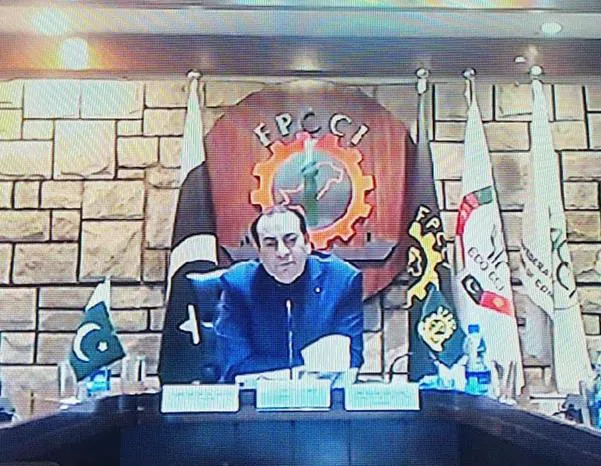
KARACHI (special crosspondent) – Mr. Atif Ikram Sheikh, President of the Federation of Pakistan Chambers of Commerce and Industry (FPCCI) and President of the ECO Chamber of Commerce and Industry (ECO-CCI), has stressed the imperative of transforming the vast economic potential of the ECO region into tangible trade, investment, and business opportunities through enhanced connectivity, trade facilitation, and robust private-sector cooperation.
Advancing Regional Economic Integration
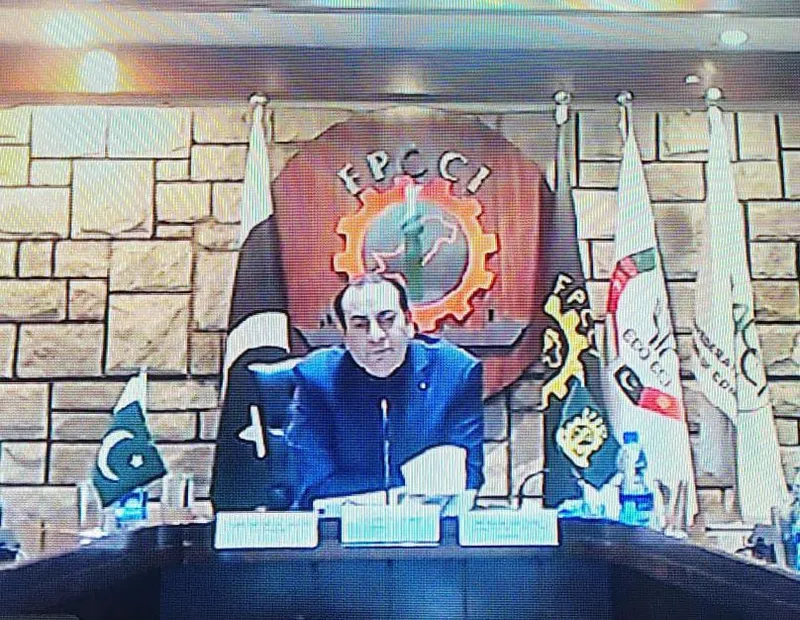
Addressing a high-profile session of the ECO-CCI, attended by representatives of National Chambers of Commerce and Industry from across the member states, Mr. Atif Ikram Sheikh underscored that despite the region’s strategic location, abundant natural resources, and a combined market of over 500 million people, intra-regional trade remains significantly below its actual potential. Much like the FPCCI President Urges Deeper Economic Partnership Between Pakistan and ASEAN, Mr. Sheikh advocated for shifting from dialogue to concrete action by addressing trade bottlenecks, simplifying customs procedures, enhancing business mobility, and reviving regional road and rail infrastructure, including the ECO Train project. He proposed the establishment of a formal ‘Action Agenda 2026–27’, featuring specific initiatives and progress-monitoring mechanisms assigned to various regional chambers.
Diversifying Trade and Value Chains
Mr. Atif Ikram Sheikh further emphasized the necessity of moving beyond conventional trade to promote joint production and integrated regional value chains, particularly in sectors such as agriculture, food processing, textiles, energy, mining, engineering, pharmaceuticals, and information technology. He highlighted that fostering SMEs, facilitating investment, supporting women entrepreneurship, and organizing frequent trade exhibitions are essential to bridging the current gaps in the business landscape. These strategic shifts align with broader national efforts to stabilize the economy, similar to how the government prioritizes sectors like agriculture in other international forums, such as when Pakistan and Egypt agreed to enhance agricultural cooperation.
Perspectives from the ECO Secretariat
ECO Secretary General, Ambassador Asad Majeed Khan, echoed these concerns, noting that trade volumes are currently constrained by persistent tariff and non-tariff barriers, customs complications, and logistical challenges. Ambassador Khan provided an update on ongoing ECO initiatives, including the Economic Cooperation Organization Trade Agreement (ECOTA), and reiterated the vital role of national chambers in identifying commercial opportunities. He encouraged the ECO-CCI to bolster its institutional capacity and consider hosting a major ECO Trade Fair to facilitate better business matchmaking.
Commitment from Member States
Representatives from Afghanistan, Azerbaijan, Iran, Kazakhstan, the Kyrgyz Republic, Pakistan, Tajikistan, Türkiye, Turkmenistan, and Uzbekistan participated in the discussions. The delegates reached a consensus on the need for increased interaction among business communities, the implementation of visa facilitation policies, and the standardization of trade promotion efforts across the region to ensure sustainable economic growth.
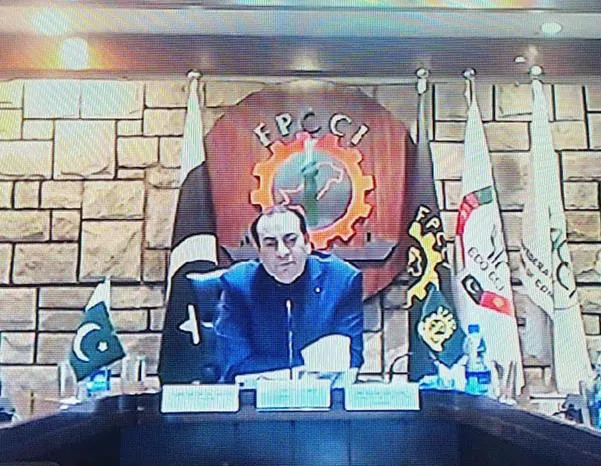
Caption: Mr. Atif Ikram Sheikh, President FPCCI & President ECO-CCI, is addressing a high-profile session of the representatives of ECO-CCI member countries’ national chambers.