Pakistan Must Integrate into Global Value Chains to Boost Exports: Shahid Imran
 By hanif sabir
Published: 21 Sep 2026
3 min read
By hanif sabir
Published: 21 Sep 2026
3 min read

Pakistan Must Integrate into Global Value Chains to Boost Exports: Shahid Imran
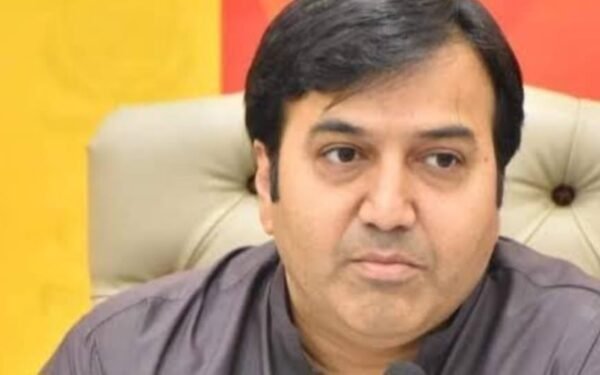
LAHORE, Sept 20: Convener of the Federation of Pakistan Chambers of Commerce and Industry (FPCCI) Regional Committee on Food, Shahid Imran, has said that integration into global value chains offers Pakistan one of the greatest opportunities for expanding exports, particularly through deeper industrial linkages with China.
Addressing a seminar on “Rethinking Trade Policy” organized under the aegis of Zia Snacks Family Food Products here on Sunday, Shahid Imran said trade initiatives were important but needed to be implemented consistently to deliver sustainable results.
He called for a gradual reduction in domestic taxes and tariffs on imported industrial raw materials to improve the competitiveness of local industries. He also stressed the need for a medium-term industrial policy to encourage investment in upstream industries, including a petrochemical complex capable of supplying raw materials to downstream manufacturing sectors.
Shahid Imran said even the World Bank now recognized that carefully designed industrial policies could play an important role in accelerating structural transformation in developing countries.
He urged Pakistan to pursue preferential trade agreements with ASEAN, the Gulf Cooperation Council (GCC), Japan, South Korea, the United Kingdom, the United States, Central Asia and Russia, while seeking more favourable terms under the China-Pakistan Free Trade Agreement.
He emphasized that compliance with the 27 international conventions underpinning the GSP-Plus trade arrangement must remain a priority.
The FPCCI office-bearer said good governance was the foundation of sound economic policies, as it improved resource allocation, enhanced competitiveness, raised productivity, reduced transaction costs and enabled markets to function more efficiently.
He said the government should critically examine why earlier trade and industrial policies had failed to achieve their targets. He questioned whether previous targets had been overly ambitious, whether production capacity—particularly for non-traditional exports—had been properly assessed before setting targets, and whether industrial bottlenecks had been identified and removed.
Concluding his address, Shahid Imran called for expansion of export financing and restoration of the Export Facilitation Scheme with stronger safeguards. He said the Export Development Fund should support product development, market diversification, testing and certification, technology upgrading and skills development.
He also called for extending the Pakistan Single Window to cover the remaining regulatory agencies to facilitate trade and reduce procedural hurdles.
Shahid Imran stressed the need for stronger trade diplomacy and qualified commercial representatives abroad. He suggested that export promotion should become a central rather than subsidiary responsibility of foreign service officers, with their performance evaluated against clear export-promotion metrics.