Pakistan Calls for Responsible Technology Use to Ensure Maritime Security
 By abdullah
Published: 30 Oct 2026
3 min read
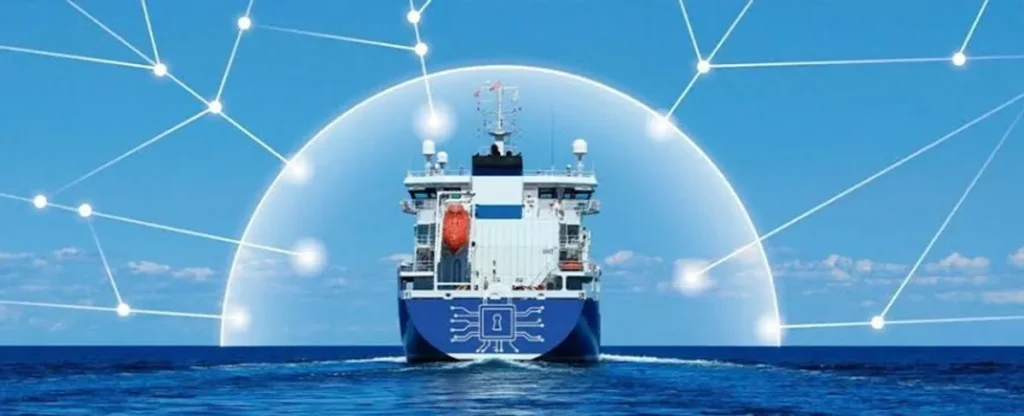
NEW YORK (Special Correspondent) – Pakistan has officially called for the responsible and equitable use of emerging technologies and artificial intelligence (AI) to strengthen global maritime security, prevent their potential misuse, and safeguard international peace. The appeal was made during a high-level open debate at the United Nations (UN) Security Council on 29 October 2026, focused on the implications of technological advancements for maritime stability.
Key Points
- Ambassador Usman Jadoon emphasized the need for a universal regulatory framework for emerging technologies like AI and autonomous systems.
- The UN Convention on the Law of the Sea (UNCLOS) was reaffirmed as the essential cornerstone of the international maritime order.
- Pakistan condemned the Houthi militia attacks on merchant shipping and seafarers within the Bab-al-Mandab Strait.
- Global energy, food, and economic security are increasingly vulnerable to disruptions in vital maritime corridors.
- Pakistan reiterated its full support for the sovereignty and territorial integrity of the Kingdom of Saudi Arabia.
Addressing Technological Risks in Maritime Domains
Ambassador Usman Jadoon, Acting Permanent Representative of Pakistan to the United Nations, highlighted the complex intersection of rapid technological progress, geopolitical competition, and maritime security. He observed that technologies such as machine learning, blockchain, and unmanned autonomous systems are currently transforming the maritime landscape while introducing significant risks of miscalculation.
The Ambassador cautioned that the increasing availability of drone swarms and loitering munitions has heightened threats to merchant shipping and critical infrastructure. Furthermore, the digitalization of port operations and navigation systems has expanded the scope of exposure to sophisticated cyberattacks. This call for responsible technological use comes as nations balance innovation with security requirements.
Promoting a Regulatory Framework for Global Safety
Emphasizing the necessity of a balanced and inclusive strategy, Ambassador Jadoon advocated for the establishment of a universal regulatory framework under the auspices of the United Nations. He also highlighted the urgent requirement for capacity-building programs tailored for developing countries, particularly those in the Global South.
The Ambassador maintained that emerging technologies should be utilized for humanitarian objectives, including providing essential relief to seafarers at risk of piracy. As a littoral state with a significant reliance on seaborne trade, Pakistan views these measures as vital for regional and global stability. His address underscored that maritime safety and security must remain a priority to prevent global shipping from becoming a casualty of geopolitical confrontation.
Solidarity and Commitment to International Law
Reaffirming the centrality of international law, Ambassador Jadoon noted that the United Nations Convention on the Law of the Sea (UNCLOS) remains the foundational document for the maritime order. He specifically addressed the security climate in critical corridors like the Strait of Hormuz and the Bab-al-Mandab, noting that instability in these regions directly threatens global economic health.
Pakistan’s representative reiterated the country’s unwavering support for the Kingdom of Saudi Arabia, expressing solidarity with its people against Houthi aggression. Concluding his remarks, the Ambassador affirmed Pakistan’s commitment to multilateralism, ensuring that the oceans continue to function as zones of peace, cooperation, and economic development rather than theaters of military competition. For further regional context, officials often discuss economic cooperation and security as pillars of the nation’s foreign policy.
Frequently Asked Questions
Why did Pakistan call for a UN regulatory framework?
Pakistan urged the establishment of a framework to address new vulnerabilities created by AI, drone swarms, and cyberattacks that threaten global maritime infrastructure.
What is Pakistan’s stance on the Houthi attacks?
Pakistan strongly condemned the Houthi militia attacks on merchant shipping in the Bab-al-Mandab Strait, labeling them a direct threat to international maritime security and regional stability.