Pakistan Government Initiates Cotton Sector Reforms to Restore Crop Production
 By abdullah
Published: 29 Oct 2026
3 min read
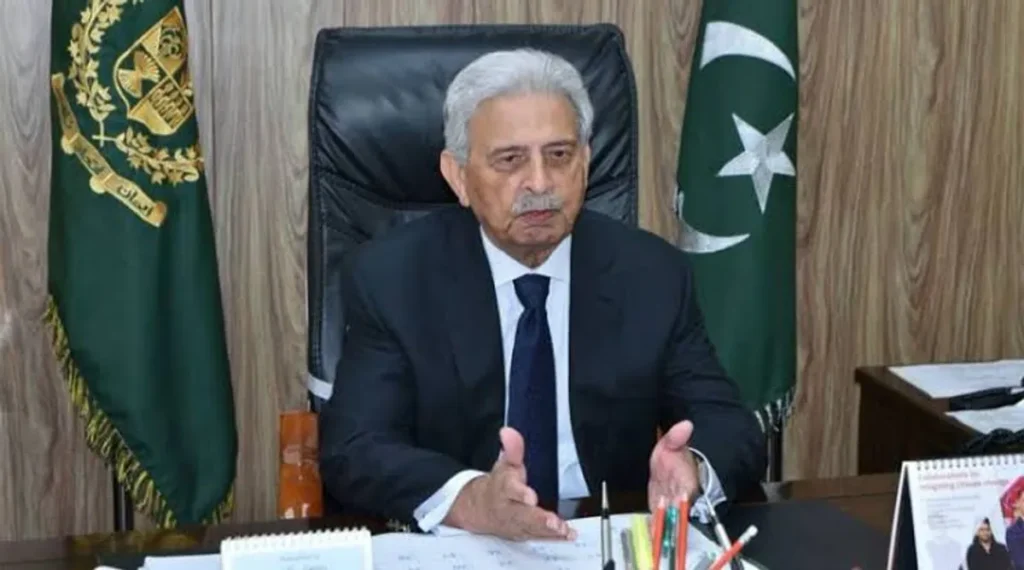
ISLAMABAD (Special Correspondent) – Federal Minister for National Food Security and Research Rana Tanveer Hussain has directed relevant institutions to implement a comprehensive Cotton Revival Strategy to restore production and enhance farmer profitability. The initiative aims to address declining cultivation trends by accelerating reforms in seed development, research, and mechanization across the agricultural sector.
Key Points
- Federal Minister Rana Tanveer Hussain directed the fast-tracking of seed approvals and stronger cotton research.
- A three-member committee led by the Pakistan Agricultural Research Council (PARC) will facilitate the acquisition of exotic cotton germplasm.
- The Department of Plant Protection (DPP) was instructed to expedite pending Pest Risk Analyses and Controlled Import Permits for international seeds.
- Authorities are evaluating a proposed 12–18-month fast-track approval mechanism for imported cotton seed.
- The strategy promotes crop zoning and mechanical harvesting to reduce production costs for farmers.
Cotton Revival Strategy and Institutional Coordination
The meeting, which included representatives from the National Seed Development and Regulatory Authority (NSDRA), Pakistan Central Cotton Committee (PCCC), and the All Pakistan Textile Mills Association (APTMA), reviewed the persistent decline in cotton output. Factors such as the Cotton Leaf Curl Virus, climate variability, and competition from other crops like sugarcane and maize have significantly impacted yields in regions like Punjab. The government’s focus remains on making cotton cultivation economically viable to support the textile industry.
Enhancing Seed Technology and Research
To strengthen domestic output, the Ministry plans to foster better access to international germplasm from countries including China, Türkiye, Syria, Kenya, the United States, Mexico, Kyrgyzstan, and Australia. The Department of Plant Protection (DPP) is currently processing technical dossiers to ensure that new seed varieties meet necessary phytosanitary standards. Furthermore, the agricultural framework is being updated to include performance-based accountability for researchers, ensuring the development of high-yielding and climate-resilient varieties.
Mechanization and Future Outlook
Beyond seed reform, the ministry is prioritizing the transition to single-pick cotton varieties suitable for mechanical harvesting to address labor shortages and reduce overheads. Officials are also exploring sustainable production models, including organic cotton initiatives and carbon-credit mechanisms, to bolster Pakistan’s standing in global trade. The government expects these measures to revitalize the sector and decrease reliance on raw material imports.
Frequently Asked Questions
Why is the cotton sector in Pakistan facing a decline?
The decline is attributed to rising production costs, the Cotton Leaf Curl Virus, pest infestations, climate variability, and the use of poor-quality seeds.
What is the goal of the new fast-track seed approval mechanism?
The proposed mechanism aims to reduce the approval timeline for imported cotton seeds from approximately seven years to 12–18 months.