US Warns Iran on Strait of Hormuz Tolls, Emphasizes Open Navigation
 By abdullah
Published: 25 Jun 2026
Updated: 29 Jun 2026
2 min read
By abdullah
Published: 25 Jun 2026
Updated: 29 Jun 2026
2 min read
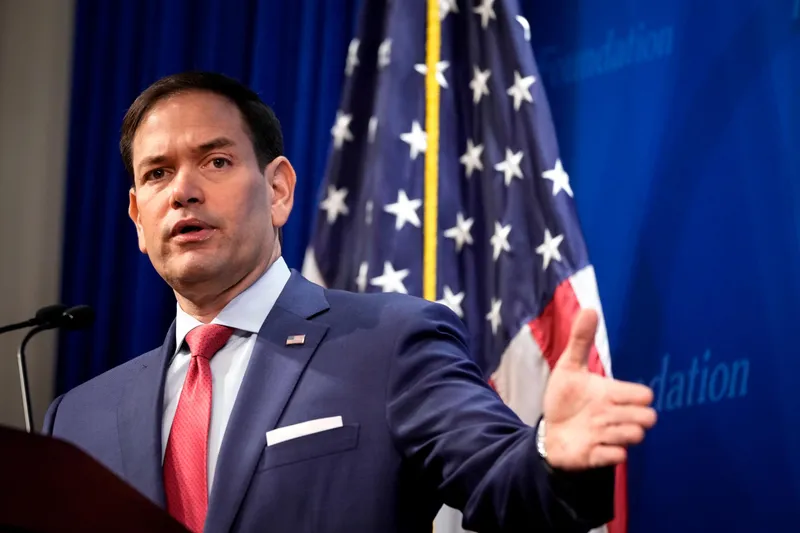
ISLAMABAD (special crosspondent) – U.S. Secretary of State Marco Rubio has stated that no country will be allowed to impose toll taxes or transit fees on vessels passing through the Strait of Hormuz, stressing that the strategic waterway must remain open for international navigation and global trade.
Speaking to the media, Rubio said the United States remains ready to reach a constructive agreement with Iran if Tehran is willing to pursue a positive and lasting deal. He emphasized that President Donald Trump expects Iran to fully honor the terms of the recently agreed memorandum of understanding and any commitments made during ongoing negotiations.
Rubio warned that if Iran fails to comply with its obligations, the United States has a range of options available, although Washington continues to prioritize diplomacy and negotiated solutions.
According to the U.S. Secretary of State, technical teams from both countries are currently working on the details of a potential agreement. He said negotiators are expected to meet again in Switzerland on June 30 to continue discussions on Iran’s nuclear program, sanctions, and other outstanding issues. The upcoming meeting in Switzerland was highlighted in a previous report concerning discussions between PM Shehbaz Sharif and Gen Asim Munir’s attendance at Switzerland talks.
Strait of Hormuz Importance
The Strait of Hormuz is one of the world’s most important energy corridors, with roughly one-fifth of global seaborne oil trade passing through the narrow waterway. Any disruption, restriction, or additional transit costs in the strait can have an immediate impact on global energy markets and oil prices. Progress in diplomatic efforts and easing tensions in the region, including potential advancements in Iran’s nuclear program, have contributed to a continued decline in global oil prices, helping calm concerns over energy supplies and international shipping routes.
Regional Stability and Alliances
Rubio also reaffirmed Washington’s strong ties with Gulf nations, saying the United States remains committed to the security and stability of its regional allies. U.S. officials say the ongoing talks with Iran are aimed at promoting regional stability, resolving nuclear-related disputes through diplomacy, and maintaining confidence in international energy markets. This focus on regional stability aligns with broader efforts to enhance security, such as the discussions on Pakistan and Iran expanding security and counter-terrorism ties.