Deputy Prime Minister Ishaq Dar Joins SCO Foreign Ministers Meeting
 By abdullah
Published: 24 Jul 2026
2 min read
By abdullah
Published: 24 Jul 2026
2 min read
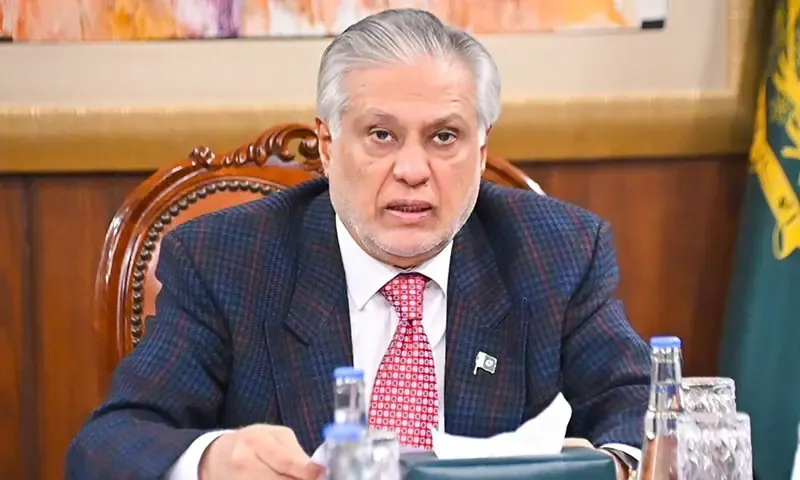
CHOLPON-ATA (special crosspondent) – Deputy Prime Minister and Foreign Minister Senator Mohammad Ishaq Dar arrived in Kyrgyzstan on Friday to participate in the Shanghai Cooperation Organization (SCO) Council of Foreign Ministers meeting. His presence underscores Pakistan’s active commitment to regional stability, a priority often reflected in discussions on Pakistan and Iran Strengthen Strategic Railway Ties and Regional Connectivity, which remains essential for broader economic integration.
Upon his arrival at the venue, Deputy Prime Minister Dar was received by the Kyrgyz Foreign Minister Zheenbek Kulubaev, with the two leaders exchanging formal greetings. Senator Dar subsequently joined his counterparts from the SCO member states for the traditional family photograph, marking the commencement of the high-level proceedings.
The Deputy Prime Minister had previously attended an informal dinner for the SCO foreign ministers on Thursday. The gathering served as a preliminary platform for diplomats to exchange views and refine the agenda for the formal session. These diplomatic dialogues are vital, mirroring the efforts of officials like Dr. Musaddiq Malik Champions Pakistan’s Role in Global Climate Diplomacy, where international cooperation remains the central pillar of state policy.
SCO Council of Foreign Ministers Agenda
At the invitation of his Kyrgyz counterpart, Senator Dar is leading the Pakistani delegation to the CFM. The meeting is being attended by representatives from all SCO member states, including Pakistan, China, Belarus, India, Iran, Kazakhstan, Kyrgyzstan, Russia, Tajikistan, and Uzbekistan.
The Council of Foreign Ministers (CFM) serves as the third-highest forum within the SCO framework. The body is tasked with deliberating on complex matters of international relations, while specifically aligning the foreign and security policy interests of all member nations. Participation in such summits is critical for Pakistan to project its strategic interests and maintain regional dialogue on security and economic matters.