Pakistan urges rule of law in outer space as it warns of risks from uncontrolled LEO satellite
 By abdullah
Published: 01 Jan 2026
Updated: 29 Jun 2026
3 min read
By abdullah
Published: 01 Jan 2026
Updated: 29 Jun 2026
3 min read
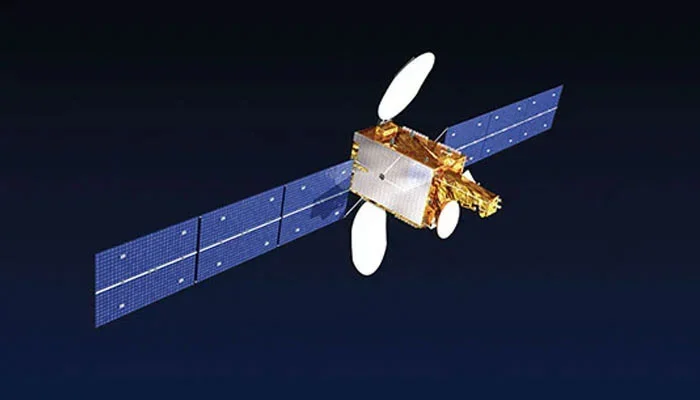
UNITED NATIONS, Jan 01 (APP):Pakistan called for legally-binding international instruments that ensure accountability and rule of law in outer space at a UN Security Council meeting devoted to discussing the risks of uncontrolled Low Earth Orbit (LEO) satellites, highlighting issues like digital divides, disinformation, militarization, sovereignty threats, and space debris.
“The unregulated expansion of commercial activities in LEO is resulting in the concentration of orbital slots, spectrum, space situational awareness (SSA) capabilities, and economic benefits among a limited number of actors,” Pakistani delegate Gul Qaiser Sarwani told the 15-member Council meeting held under Arria-Formula format named after a former Venezuelan Ambassador to the UN, Diego Arriva.
“Without corrective measures, developing and space-emerging countries risk long-term marginalization,” said Sarwani, counsellor/political coordinator at the Pakistan Mission to the UN.
Arria-Formula meetings are informal that enable Security Council members to have a frank and private exchange of views on relevant subjects.
The meeting was convened by the Russian Federation.
In his remarks, Sarwani reaffirmed Pakistan’s stand that outer space, including LEO, is the province of all humankind, not subject to national appropriation or de facto control.
“Technological or commercial dominance must not translate into exclusive access or regulatory advantage,” he said.
Pointing out that unregulated expansion of LEO’s commercial activities is resulting in the concentration of orbital slots, spectrum, space situational awareness (SSA) capabilities, and economic benefits among a limited number of actors, the Pakistani delegate said, “Without corrective measures, developing and space-emerging countries risk long-term marginalization.”
At the same time, he said, the rapid growth of mega-constellations has intensified congestion, competition for spectrum, and the risk of space debris. “If left unchecked, this trend threatens the long-term sustainability of LEO and undermines equitable access for future entrants.”
Also, he added that the growing integration of commercial LEO systems into military and intelligence operations is blurring the distinction of civilian–military uses, raising the risks of misperception, escalation, and unintended conflict, particularly during times of crises.
Referring to expanding role of private actors, the Pakistani delegate said that under international law, States remain responsible for national activities in outer space, including those conducted by non-governmental entities.
“These LEO-related risks cannot be viewed in isolation from the wider outer space security environment, including: the arms race in outer space; development of ASAT capabilities; and integration of space assets into nuclear, cyber, and conventional military strategies,” he said. “These trends collectively undermine strategic stability.”
In addition, the use of LEO systems for disinformation, societal destabilization, or interference in domestic affairs undermines sovereignty and the principle of non-interference, Sarwani said cautioning that existing international mechanisms were inadequate to address these cross-border technological impacts.
Pakistan, he said, supports voluntary norms and transparency measures as complementary tools, but they cannot substitute for inclusive, legally-binding international instruments that ensure accountability and rule of law in outer space.
“At the relevant forums a wide majority of Member States have emphasized inclusive, development-oriented, and multilateral space governance, and Pakistan supports this approach,” he said. “Emerging space challenges, including LEO expansion, should not widen existing technological or regulatory divides between developed and developing countries.”